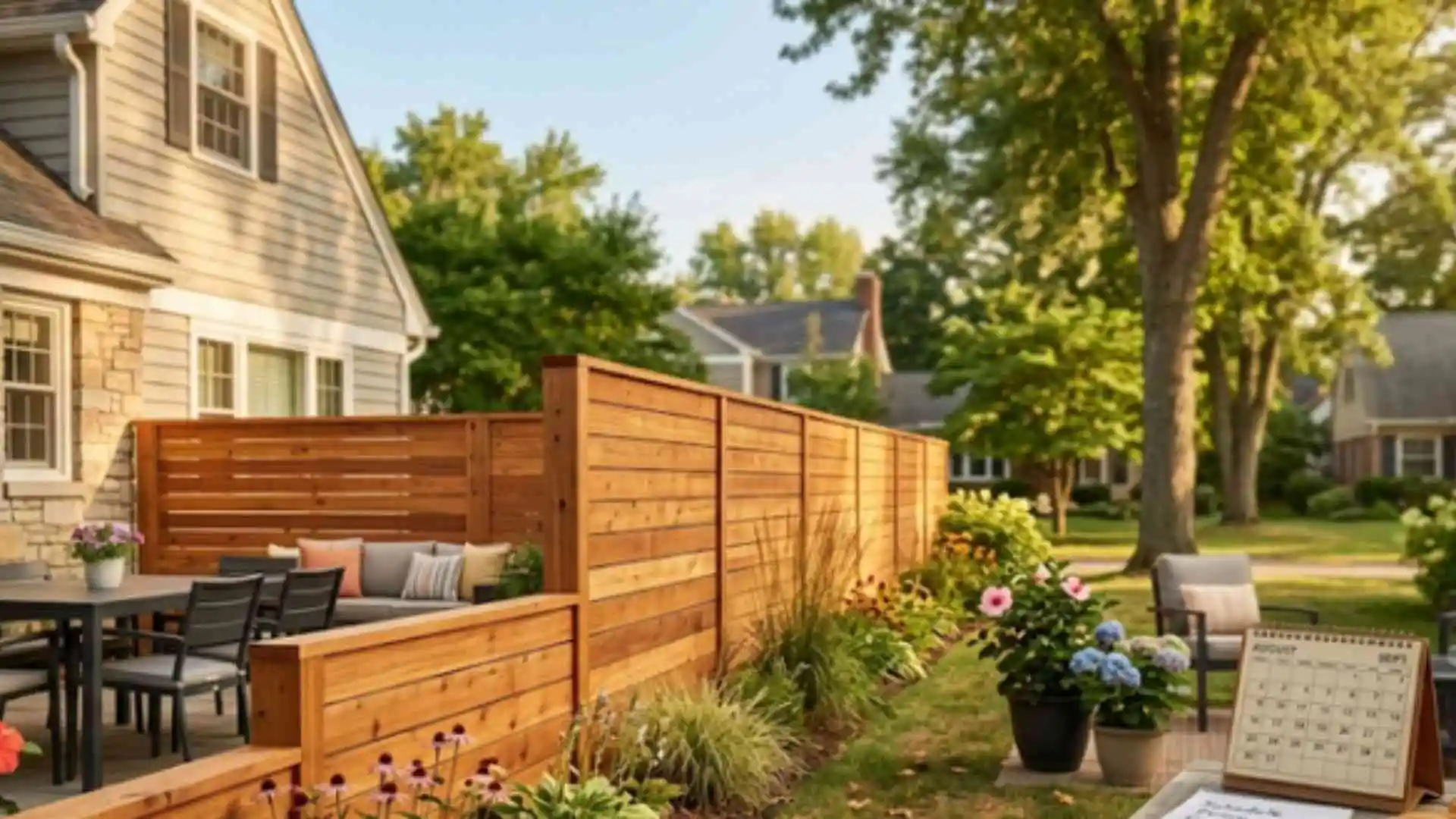
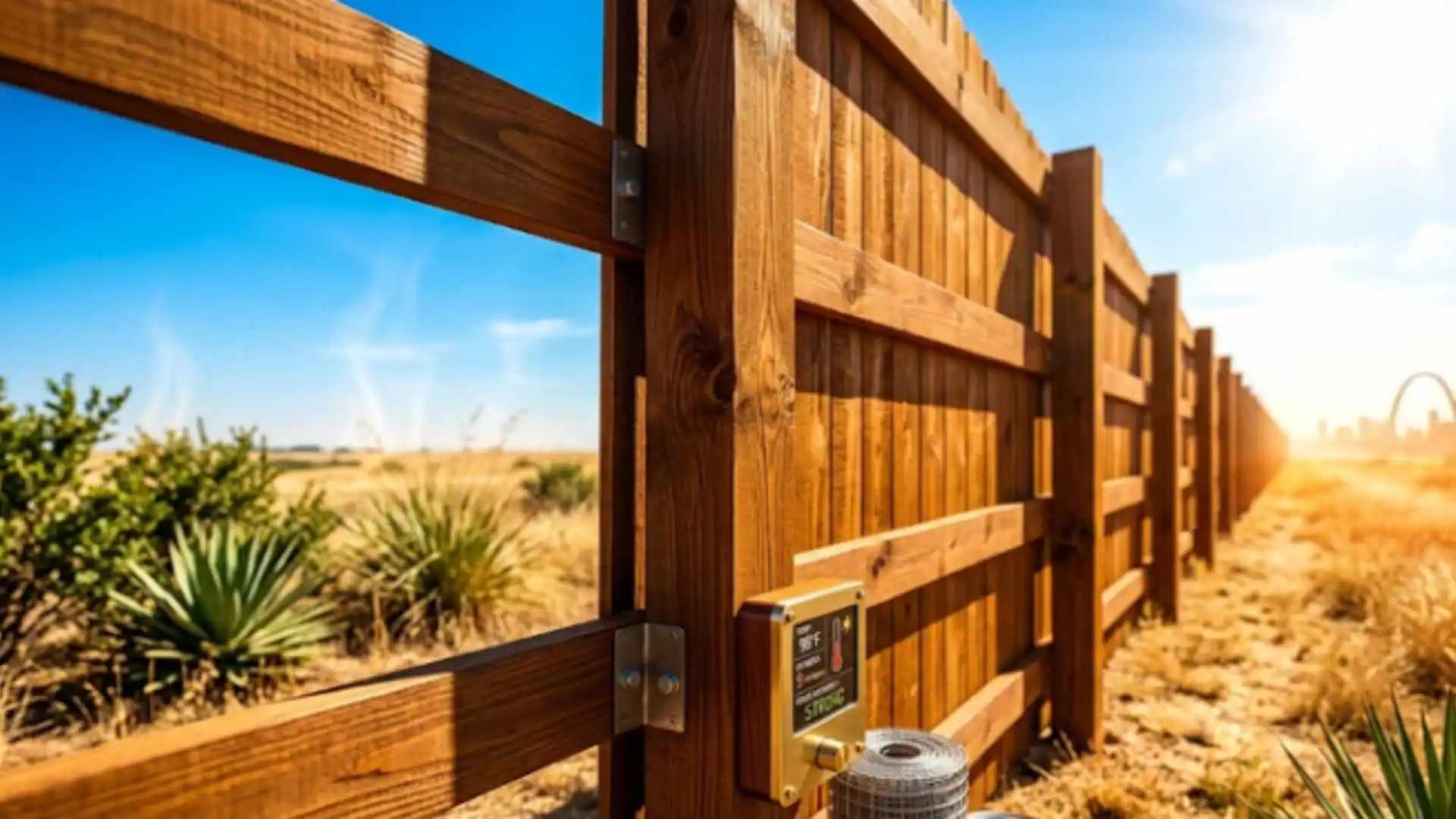
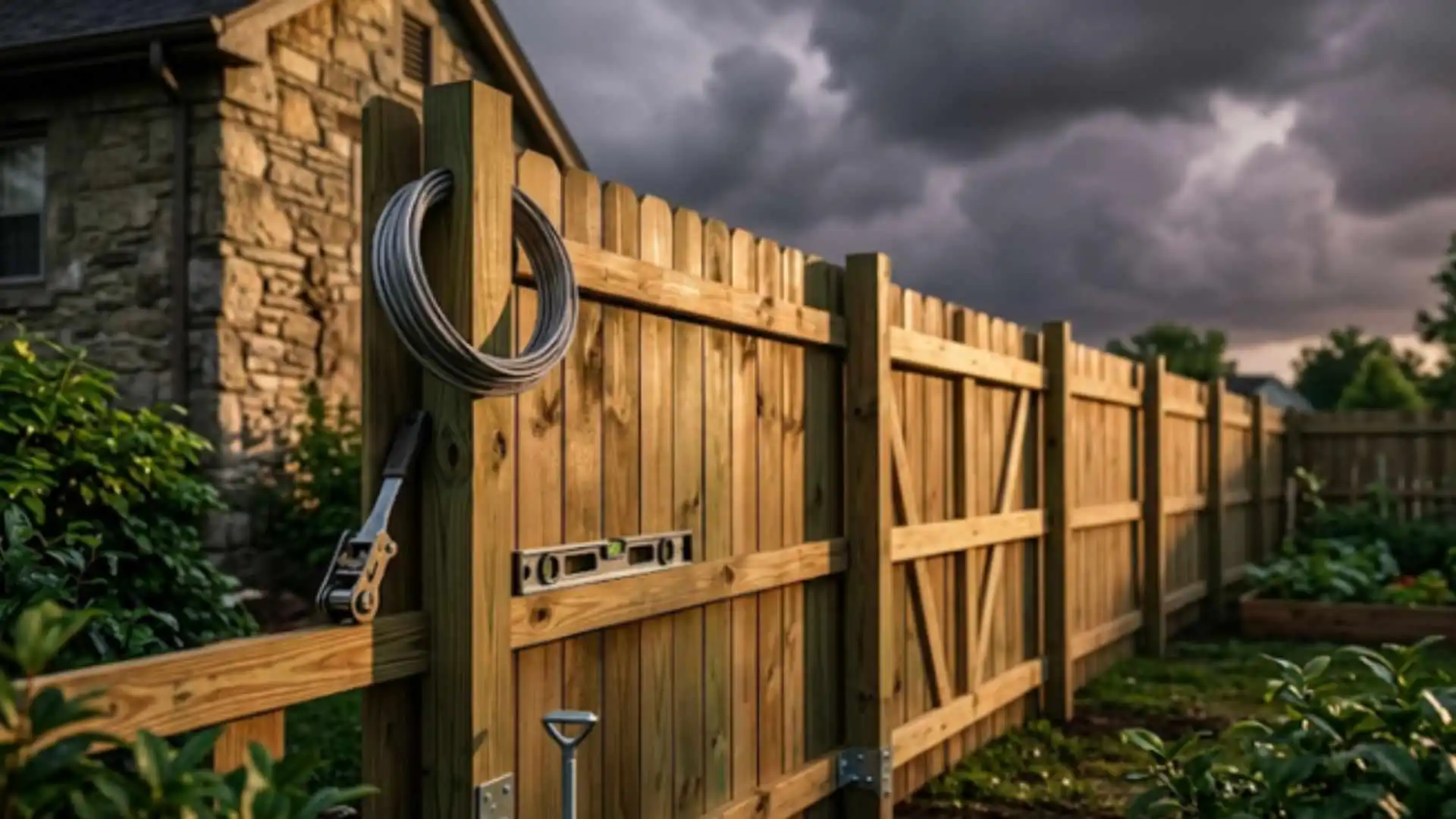
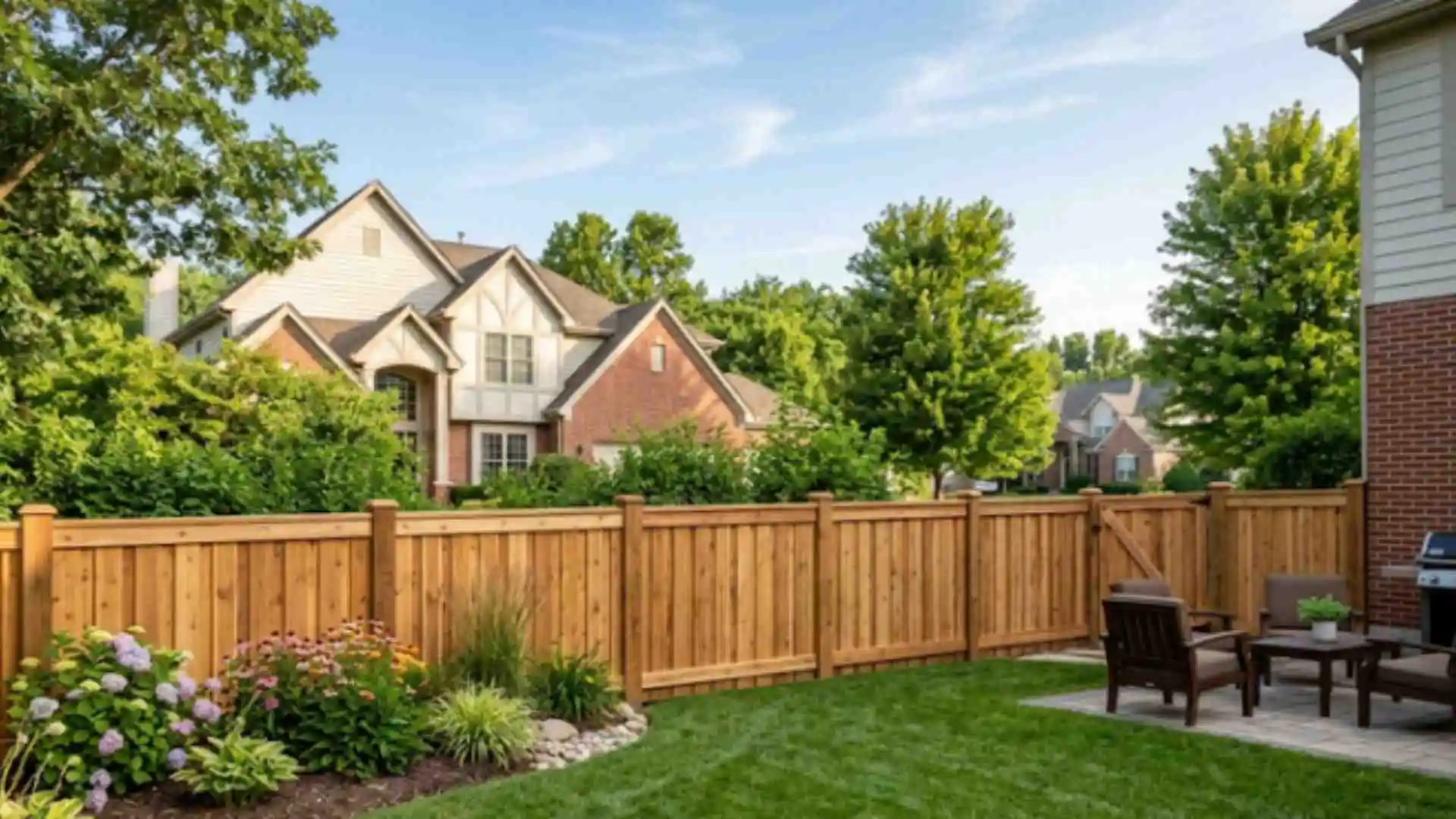
Spring in St. Louis is something special: blooming redbuds, warming afternoons, and steady rainfall that brings everything back to life. But while those April showers do wonders for your garden, they can quietly take a toll on your fence. Understanding how moisture affects different fence materials can save you thousands of dollars in premature replacements.
Why St. Louis Springs Are Especially Tough on Fences
St. Louis delivers the worst of all worlds for outdoor structures: cold, wet winters followed by warm, humid springs. According to the National Oceanic and Atmospheric Administration (NOAA), St. Louis receives over 42 inches of precipitation annually, with spring months consistently ranking among the wettest.
The freeze-thaw cycle is particularly destructive. The U.S. Geological Survey (USGS) notes that water expands roughly 9% in volume when it freezes, enough force to split fence posts over repeated cycles. The Missouri Department of Natural Resources also identifies much of the St. Louis metro area as sitting on expansive clay-rich soils that shift significantly with moisture, making local fence posts more prone to heaving and tilting than in drier climates.
How Spring Rain Affects Different Fence Materials
Wood Fences
Wood is beautiful and classic, and among the most vulnerable to seasonal moisture. The Forest Products Laboratory (FPL), a research branch of the U.S. Forest Service, documents how repeated wetting and drying cause wood to swell, contract, and lose structural integrity over time. Fence posts sitting in damp soil are especially at risk, with the FPL noting that untreated wood in high-humidity climates can begin showing decay in as few as two to five years without proper maintenance.
Signs to watch for: blackened boards, soft or spongy spots near the base, boards pulling away from rails, and visible mold or fungal growth.
Vinyl Fences
Vinyl resists moisture better than wood but isn’t immune. Strong Midwest winds combined with heavy rain stress panels, especially if posts aren’t anchored in concrete. ASTM International sets performance standards for vinyl fencing under ASTM F964, and products that fall short are more likely to crack or become brittle under seasonal stress.
Signs to watch for: panels that flex or rattle, cracks at connection points, and chalky or faded surfaces.
Chain-Link and Metal Fences
Spring rain creates prime conditions for rust. The American Galvanizers Association (AGA) explains that galvanized steel depends on a zinc coating to prevent oxidation; once that layer is compromised, moisture accelerates corrosion rapidly.
Signs to watch for: orange or brown discoloration, rough texture on rails or mesh, and corroded post bases.
Aluminum and Wrought Iron Fences
The Aluminum Association confirms that aluminum forms a self-protecting oxide layer, making it naturally rust-resistant and well-suited to St. Louis’s wet springs. Wrought iron, however, requires regular upkeep; chipped paint or coating quickly invites corrosion. Spring is the ideal time to inspect and touch up any damaged areas.
Post-Spring Inspection Checklist
Walk your fence line and look for:
- Posts: Any leaning suggests soil movement or rot at the base.
- Boards or panels: Warping, cracking, discoloration, or gaps.
- Hardware: Rust or looseness on hinges, latches, and fasteners.
- Gate function: A sticking or freely swinging gate often signals shifted posts.
Sustainable Fencing Worth Considering
More homeowners are looking at eco-friendly fencing in St. Louis, MO, and for good reason. Composite fencing (made from recycled wood and plastic), bamboo, and sustainably sourced cedar deliver durability without the environmental footprint. The U.S. Green Building Council (USGBC) recognizes recycled and sustainably sourced materials as key contributors to responsible construction under its LEED framework, a standard that applies to fencing just as much as buildings.
When to Repair vs. Replace
If you’re replacing more than 20–30% of boards, dealing with multiple leaning posts, or seeing widespread rot or rust, a full replacement is usually more cost-effective than continued patchwork. That’s when investing in professional fencing services from experienced fencing experts in St. Louis, MO makes a real difference, assessing not just surface damage but underlying issues like post depth and drainage that determine how long your next fence will last. A knowledgeable Missouri fence builder looks at the full picture, not just what’s visible.
Spring Maintenance Tips
- Clean first. Hose down wood and vinyl to reveal damage hidden under algae or debris.
- Seal wood after drying. The Forest Products Laboratory recommends waiting until wood moisture content drops below 19% sealant over wet wood causes more harm than no sealant at all.
- Re-set loose posts early. Small corrections now prevent costly replacements later.
- Clear vegetation. Vines and shrubs trap moisture and speed up deterioration.
- Improve drainage. Consistent pooling near posts shortens fence life significantly, consistent with post-set guidelines in the International Building Code (IBC).
Ready for a Fresh Start This Spring?
Whether you need repairs or a full installation, Faster Fences is the team that makes all the difference. Visit our Contact Us page to schedule an assessment, and our About Us page to learn more about our experience. As a trusted fence installation company in the United States serving the St. Louis community, we offer everything from classic wood to modern, eco-friendly options. Browse Our Services to find the right fit for your home.
Spring doesn’t have to mean fence problems. With the right materials, maintenance, and a local expert in your corner, your fence can come out of the rainy season stronger than it went in.