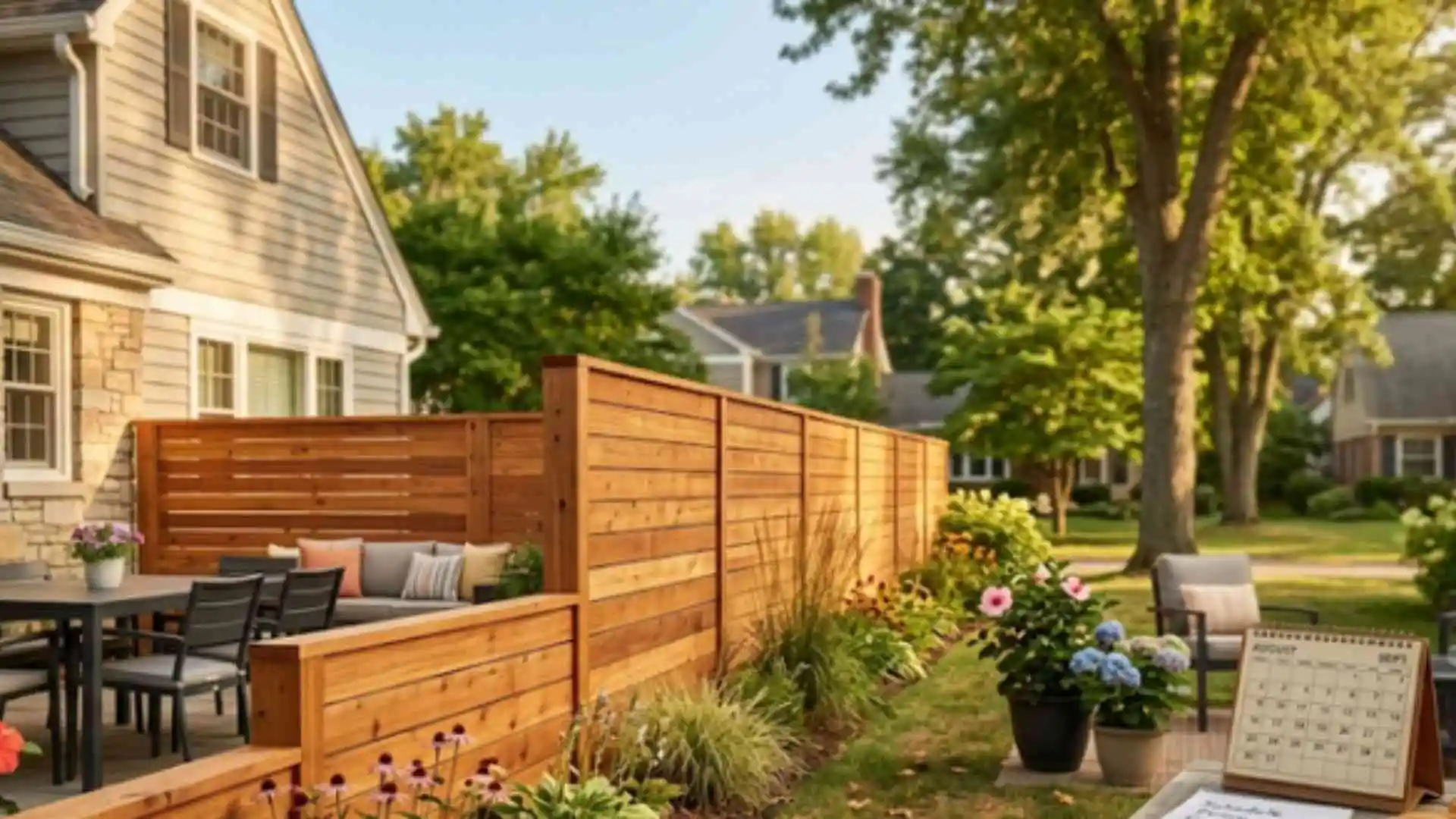
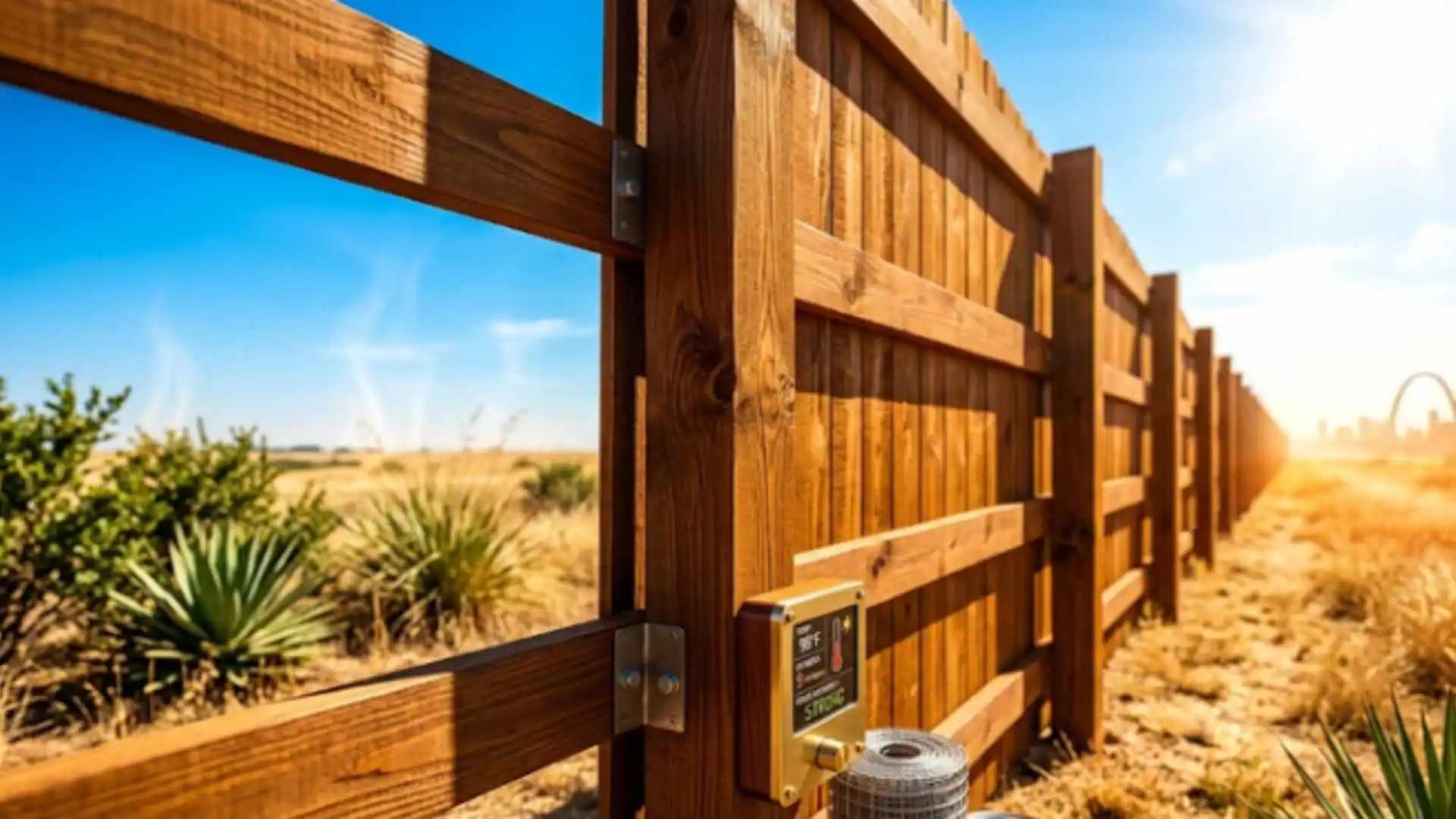
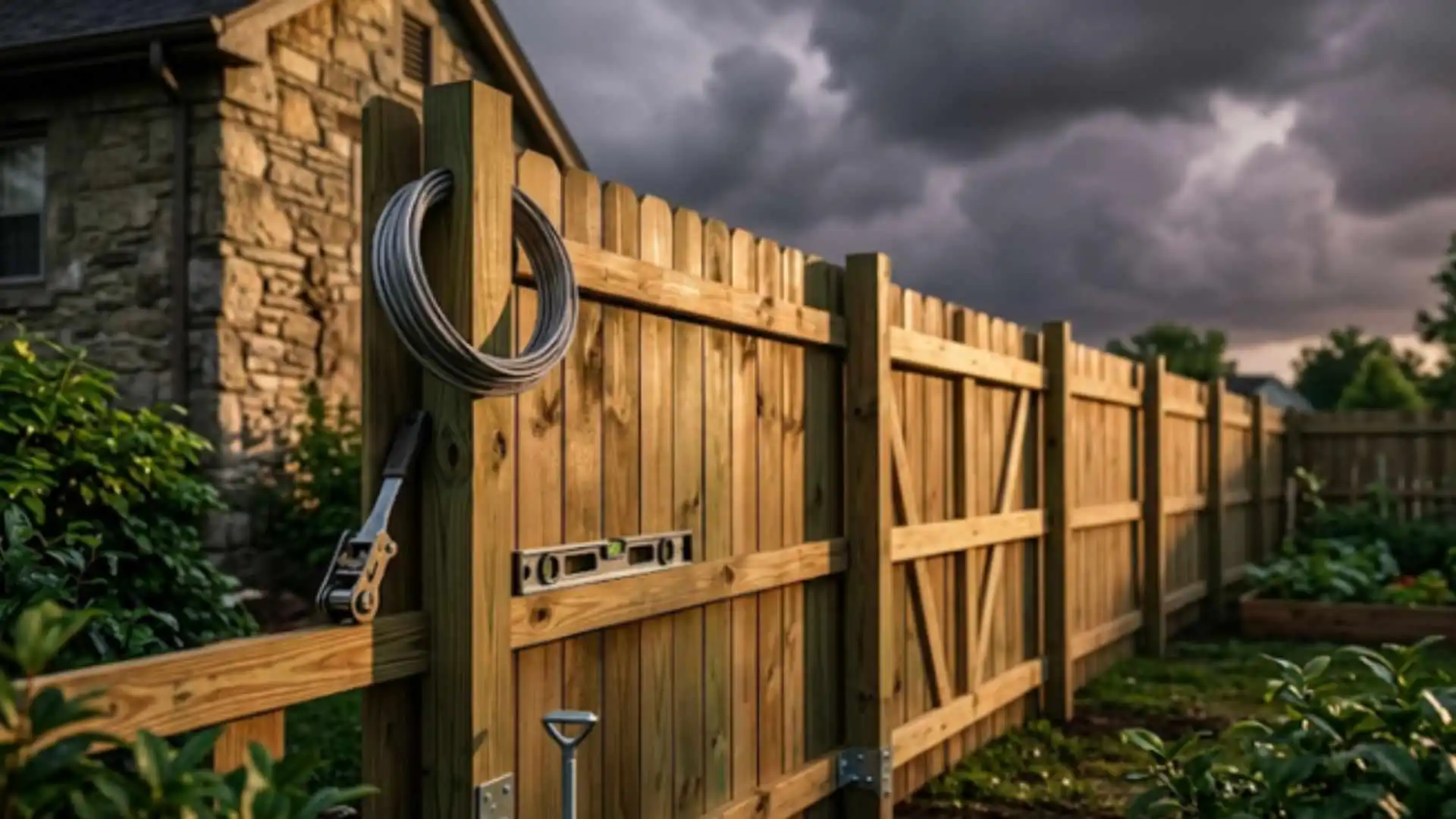
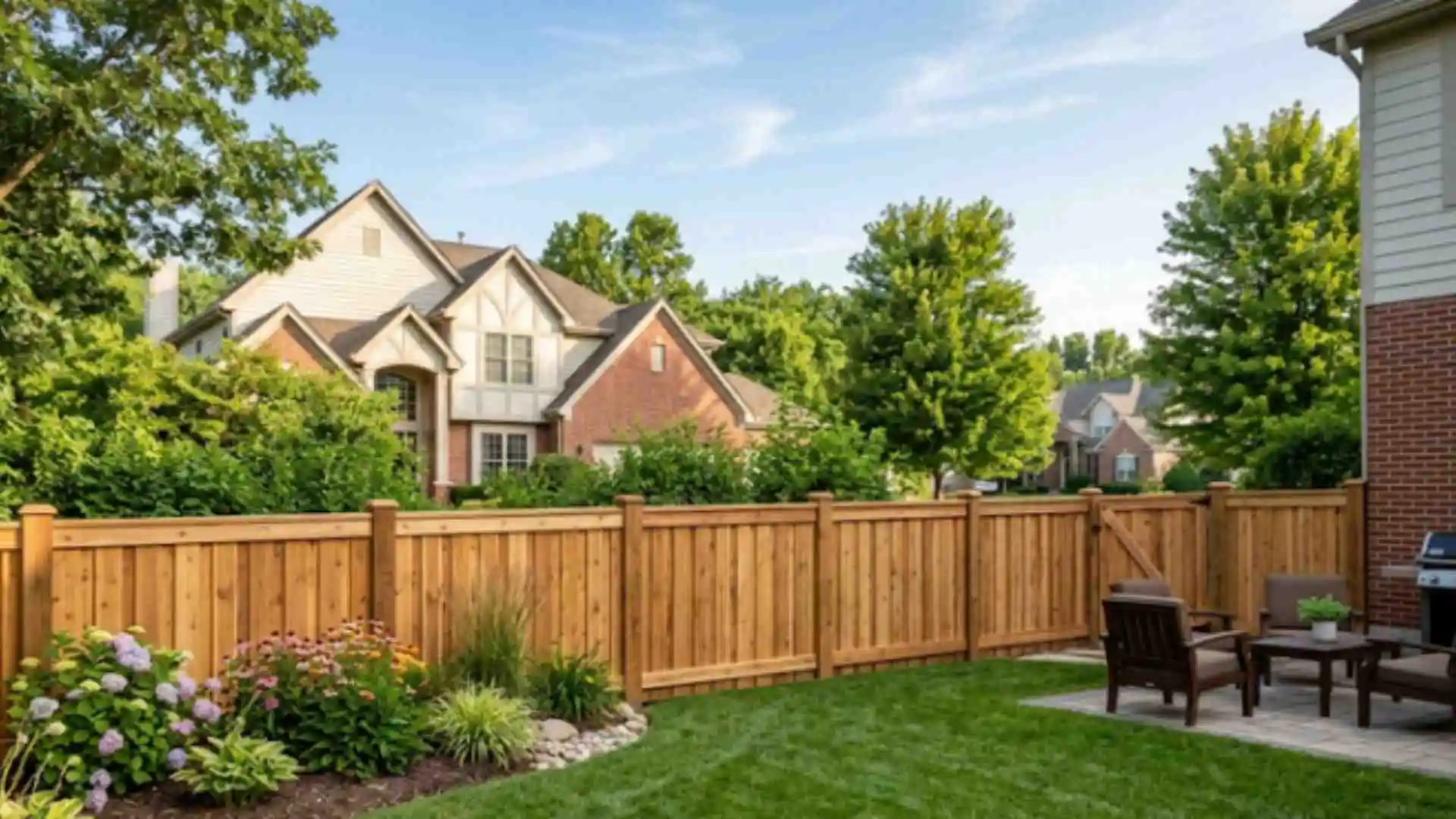
Summer in St. Louis is hard on outdoor structures. According to the City of St. Louis Climate Vulnerability Assessment, the city experiences four more heat waves each summer than it did in past decades, with peak months regularly hitting 89°F alongside high humidity. Add the thunderstorms rolling through from June through August, and your fence has absorbed serious stress by mid-July.
Most homeowners do not notice until something fails visibly. A mid-summer inspection changes that, catching problems before they become expensive.
Why Mid-Summer Is the Best Time for a Fence Inspection
By July, your fence has absorbed months of temperature swings, saturated spring soil, and weeks of direct UV exposure. Problems invisible in April have had time to surface. Acting now also means better scheduling availability before the fall contractor demand tightens. As a fencing contractor in St. Louis, MO, Faster Fences consistently sees how a mid-season check saves homeowners far more than the cost of the inspection itself.
7 Signs Your St. Louis Fence Needs Attention
1. Leaning or Shifting Posts
Post lean is one of the clearest structural warnings a fence can give. St. Louis’s clay-dense soil expands when wet and contracts during dry spells. That repeated cycle puts consistent pressure on posts, causing them to shift or heave over time. Caught early, a post reset is often sufficient. If you leave another season, you may need to replace several panels alongside it.
2. Wood Rot and Soft Spots
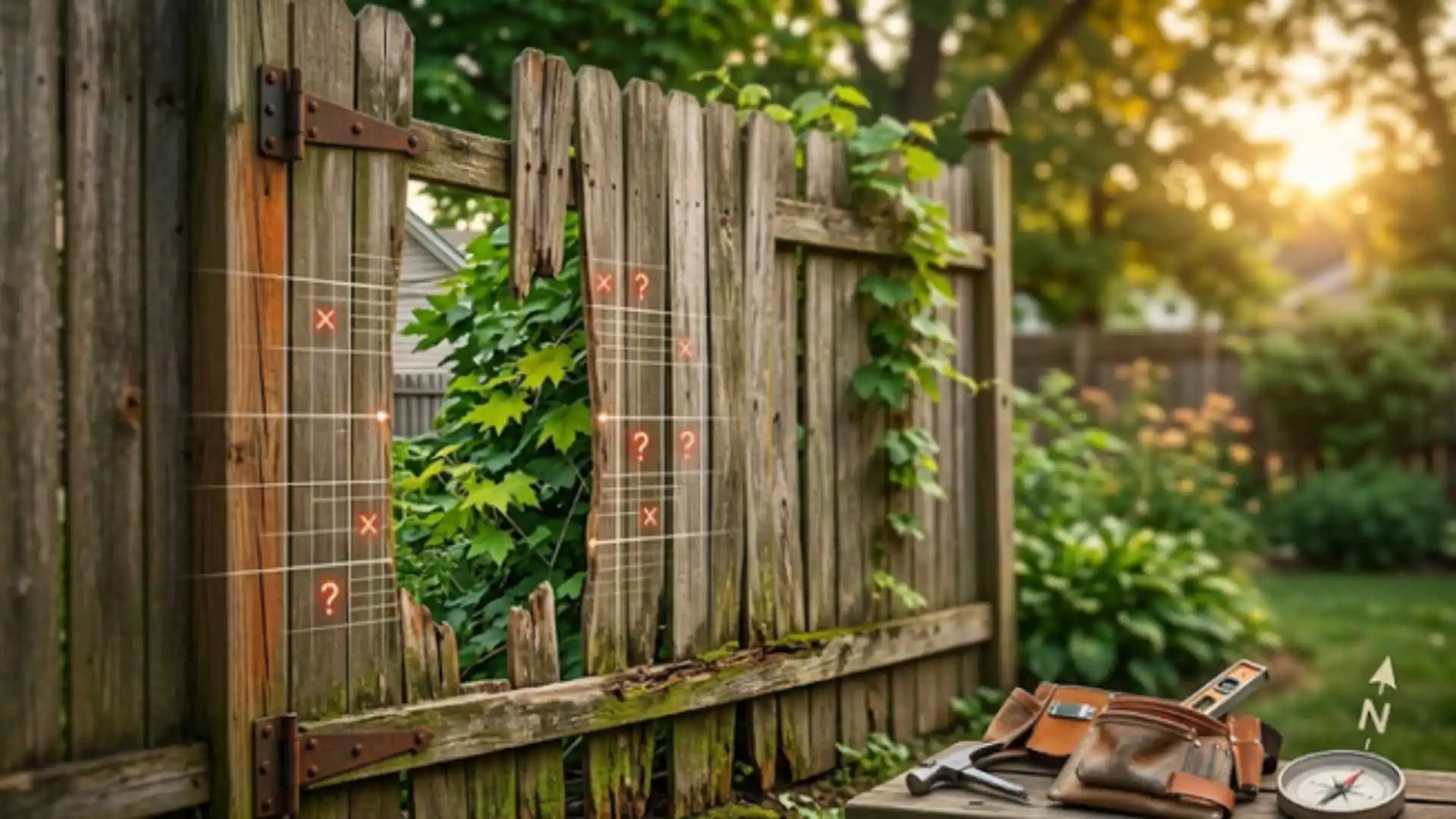
Wood rot is the most common and costly problem wood fences face in humid climates. Angi reports that a properly maintained wood fence can last about 15 years, but prolonged exposure to moisture can significantly shorten its lifespan. Press firmly at the base of each post and along the lower boards. Soft or spongy wood indicates that rot has progressed beyond the surface. Pay close attention to areas near sprinkler heads, poor drainage spots, and anywhere vegetation stays consistently damp.
3. Loose, Warped, or Missing Boards
The Missouri Climate Center notes that temperature swings of 20 to 40 degrees Fahrenheit within 24 hours are common during the summer months. Over time, thermal cycling places stress on fence components, often resulting in warped boards and loosened fasteners. A few loose boards are a straightforward fix. A pattern of warping across multiple sections points to a structural issue worth a professional evaluation from a Fence Builder in St. Louis, MO.
4. Rust, Corrosion, or Bent Metal Sections
For chain-link, look for rust spots, broken links, or sections sagging away from posts. For wrought iron, check for rust bubbling beneath the paint, which signals corrosion working from the inside out. The American Galvanizers Association recommends semi-annual inspection for steel fencing in high-moisture environments, and St. Louis qualifies given its summer humidity and rainfall patterns. Surface rust treated early can extend fence life considerably. Corrosion that has eaten through the metal makes replacement the smarter financial call.
5. Gate Problems
Gates absorb more wear than any other fence component from constant daily use. A properly functioning gate should latch securely, swing without scraping, and stay aligned. Hinge wear causes sag, latches rust or loosen, and frames rack out of square from seasonal soil movement. Gate repairs are affordable when caught early, but a badly misaligned gate may need full frame and hardware replacement.
6. Faded, Peeling, or Cracked Finish
Paint and stain seal wood against moisture, not just improve appearance. Angi recommends applying water-repellent coatings every one to two years as one of the most effective ways to extend fence life. Once the finish starts to fail, the exposed wood becomes more susceptible to moisture damage and rot. For vinyl fences, yellowing or surface chalking under summer UV signals that the material is degrading toward the end of service life.
7. Unresolved Storm Damage
It is common to fix obvious storm damage while missing secondary stress nearby. A storm strong enough to knock over one panel may have also shifted adjacent posts or strained rails that look intact from a distance. Don’t focus solely on the obvious damage; examine the surrounding structure as well after severe weather.
Repair or Replace: A Practical Framework
Industry professionals use a 20 to 25 percent threshold: when more than that share of a fence is damaged, replacement typically delivers better long-term value than continued patching. Repairing one section while the surrounding structure stays compromised shifts stress to adjacent panels, which then fail in sequence.
Repair makes sense when damage is isolated, the fence is under 8 to 10 years old, structural posts and rails are solid, and repair costs stay below 40 to 50 percent of full replacement. Replacement makes more sense when damage spans multiple sections, repeated repairs have already been needed, or structural components are compromised.
Fence repairs typically cost anywhere from $300 to $800, according to Angi, with pricing influenced by the type of material and the scope of the repair. A professional assessment from Faster Fences gives you the full picture before committing to either direction.
Real St. Louis Scenarios: What We See in the Field
The Kirkwood Wood Fence That Looked Fine from the Street. A Kirkwood homeowner called about a dragging gate. The real problem was the posts along the back fence line, which bordered a low-drainage garden bed. Several had rotted at the base to the point of structural failure despite looking intact above ground. By identifying the issue before the posts failed, only two fence sections needed replacement instead of the entire fence line.
The Ladue Aluminum Fence After a Late-June Storm. A Ladue homeowner called after a storm bent one aluminum panel near the back corner. The inspection revealed that two adjacent posts had been pushed off-plumb and were no longer secure in their footings. That hidden stress can go unnoticed for months on a material as durable as aluminum. After resetting the affected posts and installing a new panel, the repair was completed at a fraction of the cost of a larger structural failure.
The Webster Groves Vinyl Fence, showing UV Fatigue Vinyl, is often sold as maintenance-free, which leads homeowners to stop watching it. A Webster Groves homeowner noticed yellowing and surface brittleness on a south-facing privacy fence after several summers of intense sun. A cleaning and UV protectant application extended its life considerably. Ignored, cracking panels would have followed within a few seasons.
St. Louis-Specific Maintenance Tips Most Homeowners Miss
- Treat wood posts at the soil line, not just the surface. St. Louis clay holds moisture against post bases far longer than sandy soils do. Even pressure-treated posts benefit from an end-cut wood preservative applied at the soil line once a year. It takes 15 minutes and can add years to post-life.
- Clear plants from your fence line by mid-summer. Dense vegetation against boards traps moisture and accelerates rot in St. Louis’s humid summers. A three-inch clearance between plants and fence boards allows airflow and is one of the simplest ways to extend wood fence life.
- Check aluminum post caps after every major storm. When post caps crack or go missing, water enters the hollow post interior and corrodes from the inside, invisibly. A replacement cap costs a few dollars. A corroded post costs significantly more.
- Restain wood fences in late August, not spring. By late August, the boards have dried out from the heavy spring and early summer rainfall. Stain penetrates better on dry wood, and the treatment has the full fall to cure before winter moisture sets in. Most St. Louis homeowners get better results and longer protection staining in late summer than in April.
Material Lifespans and the Cost of Waiting
Not all materials hold up equally here. Cedar and redwood last 20 to 30 years with proper care. Pressure-treated pine delivers 15 to 20 years. Untreated softwoods can fail in as few as 5 to 10 years in humid climates. Vinyl runs 20 to 30 years, and aluminum 50 years or more.
Research from Redfin shows fences return 30 to 70 percent of installation cost at resale, but a fence in disrepair works in reverse. A loose post ignored this season can become a $1,500 section replacement by spring. Visit our Services to see what Faster Fences installs across the St. Louis area.
Experienced St. Louis Fence Work, Done Right
Faster Fences brings genuine local knowledge to every project, from clay soil behavior and humidity patterns to storm risk and material performance specific to this region. As a Missouri fence builder serving residential and commercial clients, we align with American Fence Association guidelines on installation technique and workmanship.
As a fence installation company in United States built on long-term performance, those standards apply to every job we take. Learn more on our About Us page.
Do Not Wait Until Fall
If you spotted any warning signs here, now is the right time to act. Reach out through our Contact us page for an honest assessment of what your fence needs and what it will cost. A fence installation done right and maintained well is one of the most durable investments a St. Louis homeowner can make.