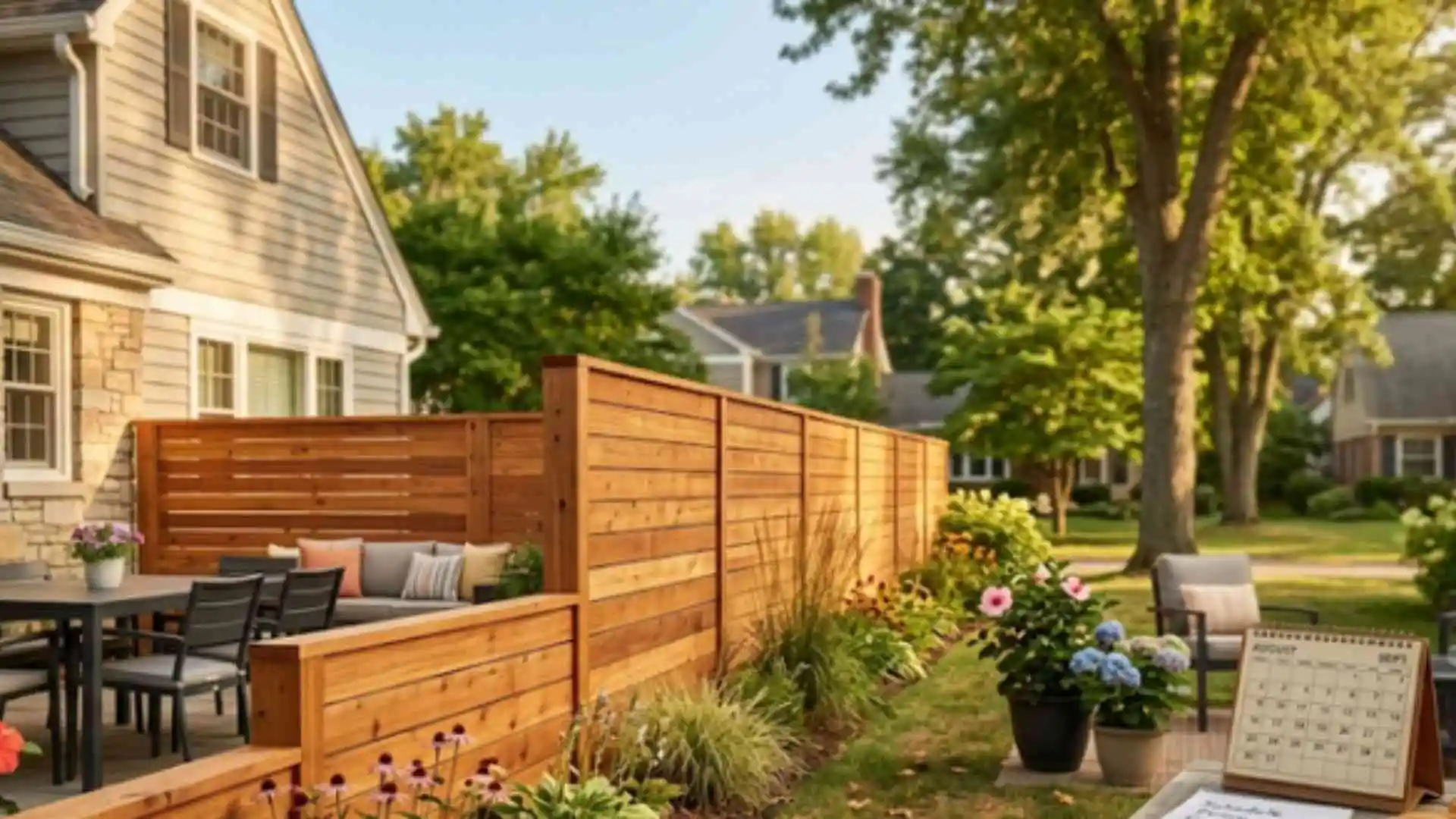
If you have lived in St. Louis for more than one summer, you already know what is coming. The thunderstorms roll in fast, the winds can be ferocious, and the humidity alone can do a number on wood and metal alike. By the time most homeowners think about their fence, the damage is already done.
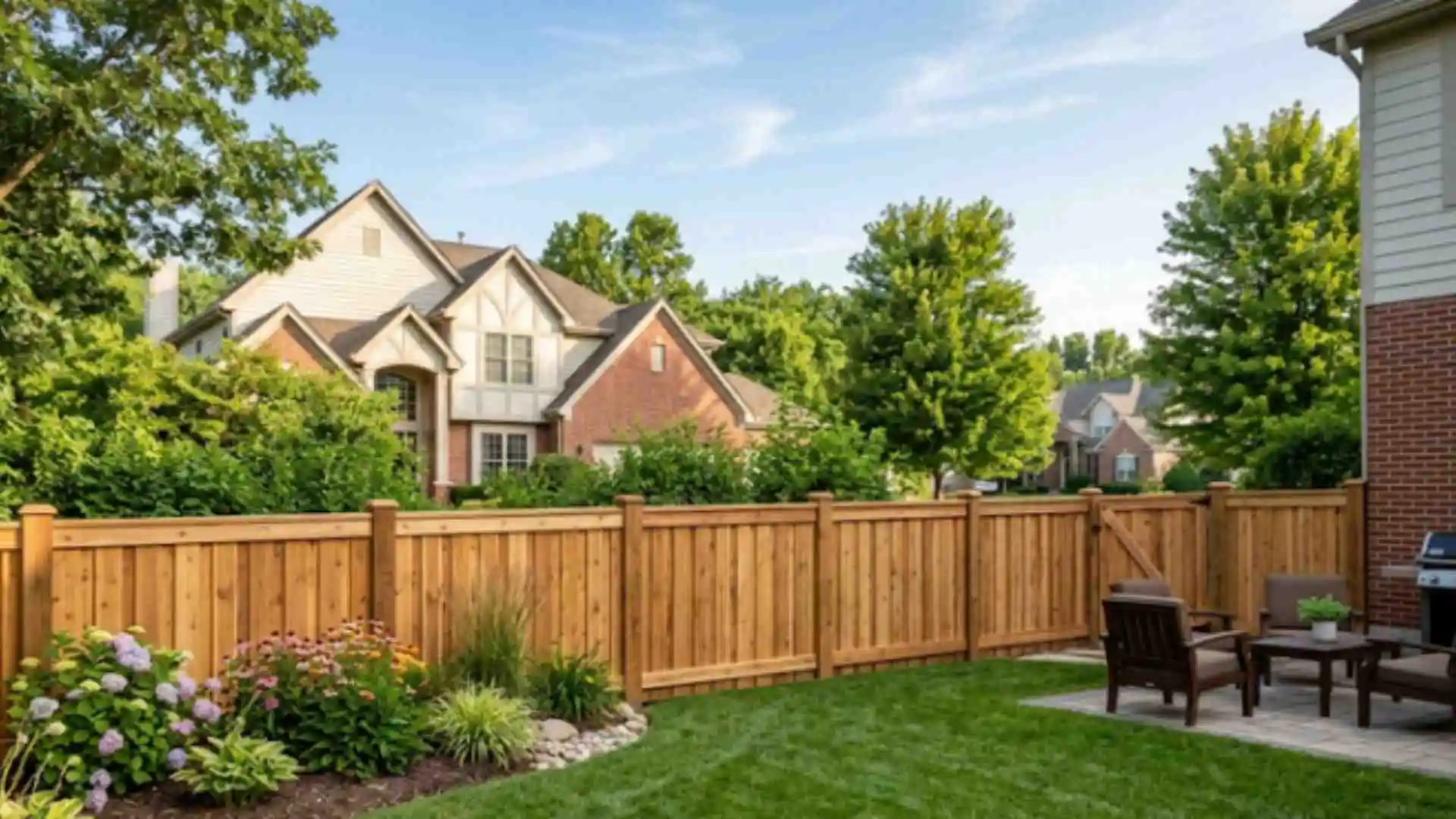
The good news? A well-built, properly maintained fence can handle what St. Louis summers throw at it. The key is knowing what to look for before the season starts, not after.
How St. Louis Summers Can Take a Toll on Your Fence
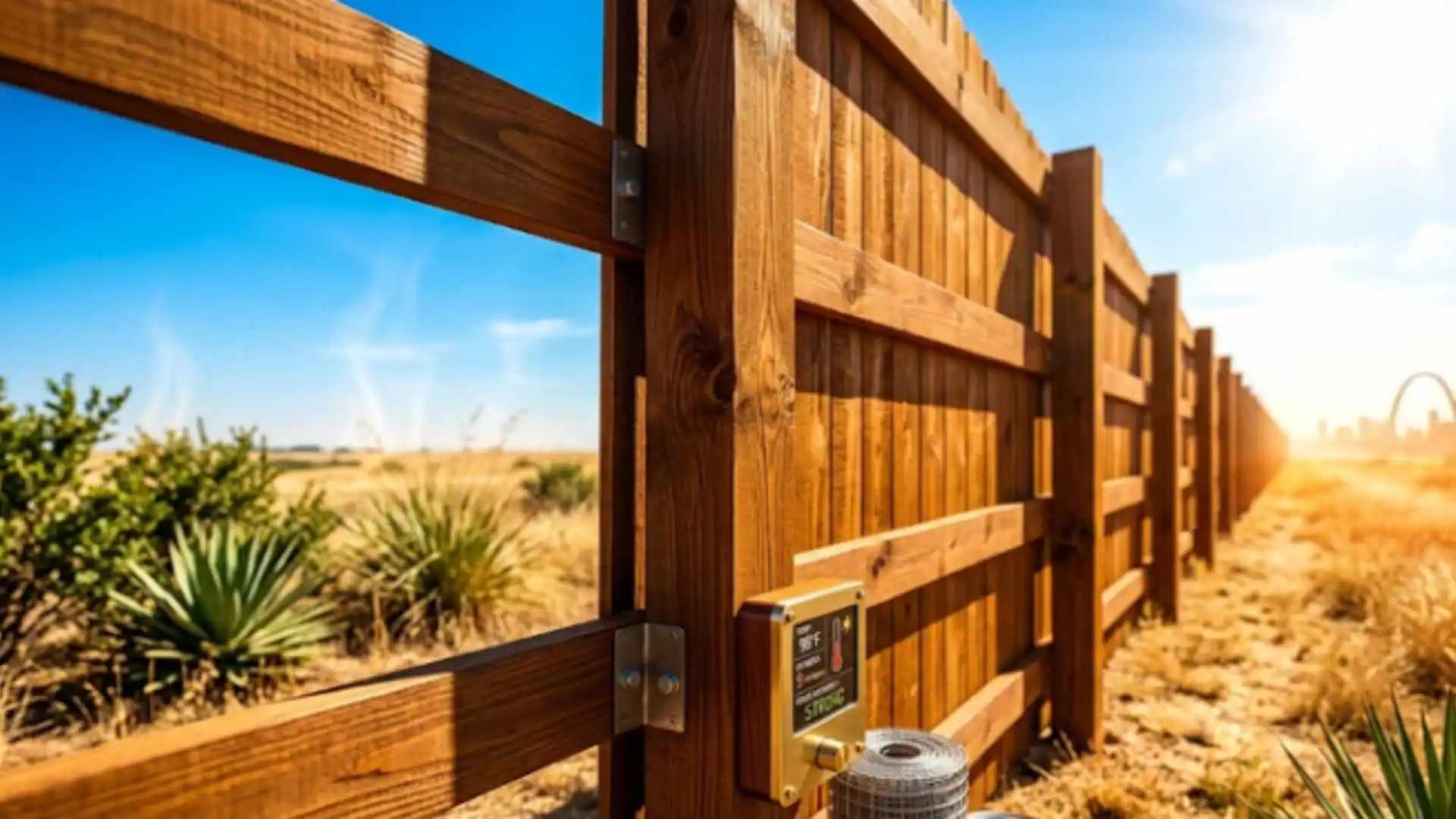
St. Louis sits in a weather corridor that produces some of the most intense summer storms in the Midwest. St. Louis regularly experiences severe thunderstorms with winds over 70 mph and gusts near 90 mph, and Missouri has seen 82 billion-dollar storm events since 1980, according to NOAA. Combined with heavy rainfall, strong UV exposure, and 65%–85% summer humidity, fence wear accelerates quickly.
A post that seemed solid in April can shift significantly by July.
How to Inspect Your Fence Before Storm Season
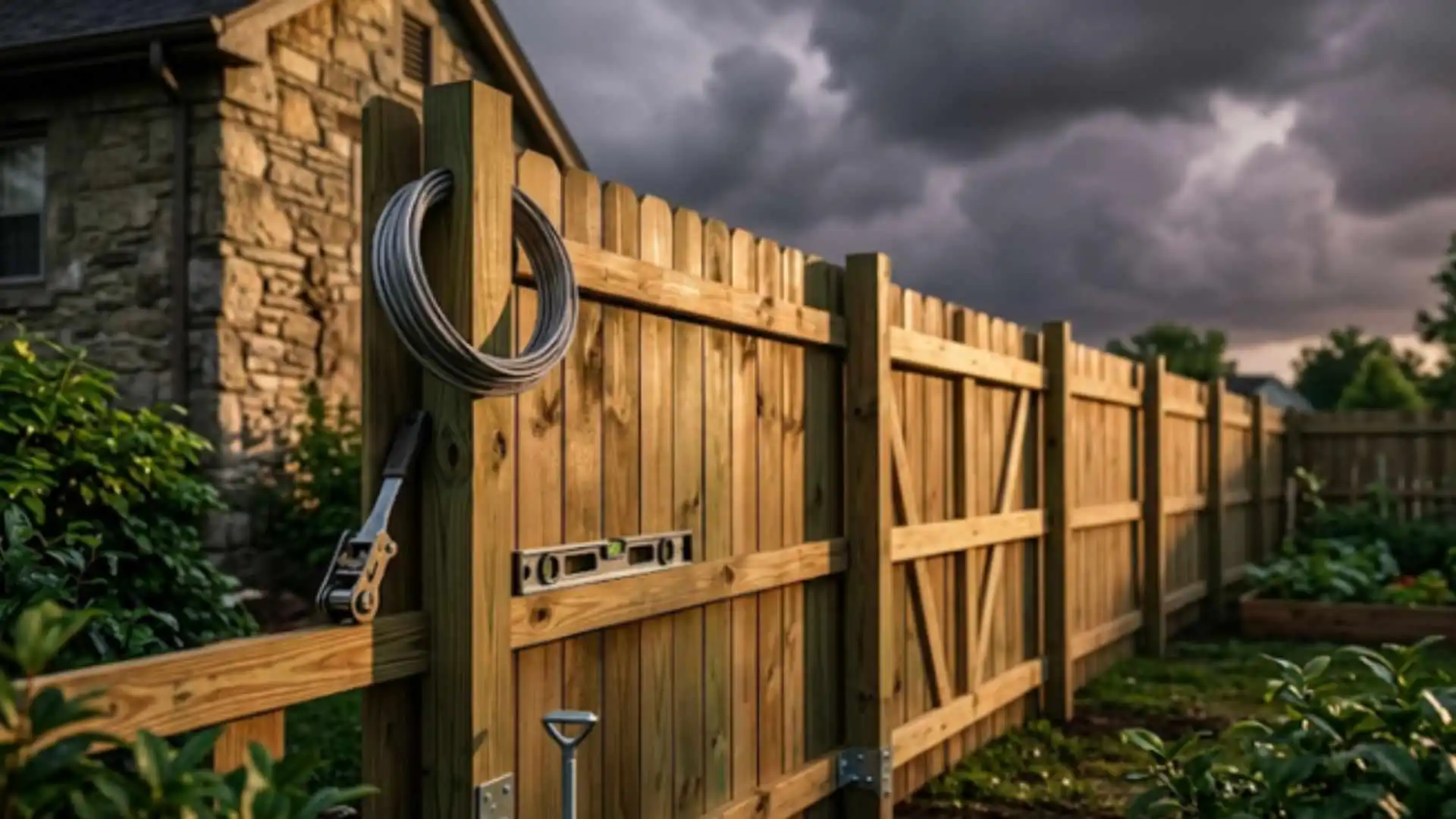
You do not need to be a professional to do a useful inspection. Walk your entire fence line and focus on these four areas.
Posts. Grab each post near the base and try to rock it. If you can see movement, it usually signals a warning you shouldn’t ignore.
Per the City of St. Louis code (Title 25, Chapter 25.11, Table R301.2(1)), the frost line is 30 inches below grade. Fence posts set too shallow can become unstable from soil expansion and contraction during St. Louis summers.
Wood condition. Soft, spongy, or discolored wood near ground level signals rot. The AWPA classifies in-ground fence posts as high-decay hazard (UC4A) because soil contact creates ideal conditions for moisture, oxygen, and organic decay. Surface cracks that follow the grain also let water penetrate deeper, speeding up internal rot.
Hardware. Check that gate hinges are tight and latches align properly. A gate that droops even a little may swing uncontrollably when exposed to high winds. Also inspect screws, bolts, and brackets along the fence line, since metal hardware often corrodes faster than the surrounding material in humid conditions.
Post-rain walkthrough. After a heavy rain, look for pooling water along the fence base or soil washed away from around posts. These are the spots where storm failure typically originates.
Common Problems That Get Worse in Storm Season
A leaning panel often fails during storms because it signals a compromised post below, and wind pressure finishes the job. Warped boards that pull away from the frame also create gaps that catch wind like a sail, adding stress to already weakened sections.
Loose fasteners often get overlooked; wood expands and contracts with humidity, and a single nail instead of multiple fasteners won’t hold a board in high winds. Gate frames that drag or bind already show distortion that worsens with summer heat and moisture.
When to Call a Professional
Minor issues like tightening hardware or sealing small surface cracks are reasonable DIY fixes. But calling a fencing contractor in St. Louis MO is the right move when multiple posts show instability, rot has spread to several boards or rails, a panel has failed or is at risk of falling, or your fence is more than 10 to 15 years old with no professional inspection on record.
At Faster Fences, we give honest assessments if your fence can be repaired, we will tell you. Discover more about our experience and commitment on our About Us page.
Choosing the Right Material for St. Louis Summers
If your fence needs replacing, material choice matters here more than in calmer climates.
Vinyl does not rot, warp, or rust, making it well suited for heat and humidity. Chain-link is arguably the most storm-resilient option because wind passes through it rather than pushing against it, and it is also among the most affordable fences without sacrificing durability.
The AWPA recognizes cedar and redwood as naturally decay-resistant species better suited for outdoor use, especially in high-humidity climates. In St. Louis, untreated wood typically shows significant deterioration within five to seven years. Powder-coated aluminum withstands temperature swings without warping and resists rust when its coating stays intact.
As a Fence Builder in St. Louis MO, Faster Fences works with all of these materials. Visit our Our Services page to explore your options.
What Professional Installation Means for Storm Performance
The International Residential Code (IRC), published by the International Code Council, requires that footings extend below the local frost line in a manner that prevents structural heave. In St. Louis, that means a 30-inch minimum depth with properly sized and cured concrete footings. It also means selecting corrosion-resistant hardware, allowing appropriate spacing to prevent warping, and installing gate framing for long-term alignment rather than just day-one function.
As a Missouri fence builder with deep experience in this region, Our professionals are built to these standards on every project. Shortcuts may not be visible at installation but become obvious when the first major storm arrives.
Quick Maintenance Tips by Material
Staying ahead of storm season damage does not require much effort. For wood fences, apply a fresh sealant or stain every two to three years and address rot immediately. For metal and aluminum, touch up any coating chips with rust-inhibiting primer before moisture gets in.
For vinyl, rinse regularly and check posts for shifting after prolonged wet periods. For every fence type, keep soil and debris from building up at the base. NOAA data shows Missouri receives 38 to 48 inches of annual rainfall, and standing moisture at a fence base speeds up decay and rust.
The Faster Fences Difference: A Process Built Around You
Most homeowners dread the contractor experiencing the missed calls, the vague timelines, the crews that show up when they feel like it.
Step 1: Same-Day Response. When you reach out, Faster Fences responds within 24 hours, with availability Monday through Saturday. For homeowners trying to get ahead of storm season, that turnaround matters.
Step 2: In-Home Consultation. A team member comes to your property to walk the fence line with you, not a phone estimate based on guesswork. They assess your lot, soil conditions, and existing fence, then walk you through material and style options in plain language.
Step 3: Design Proposal with Your Approval. The team prepares and submits a detailed design proposal for your sign-off before ordering or building anything. No surprises, no scope creep.
Step 4: Scheduled Installation. Once the contract is confirmed, we order materials and schedule the project immediately. We arrive on time and complete every job within the agreed timeline, a standard that stands out in an industry where delays are common.
Step 5: On-Site Follow-Up. After installation, a specialist returns for a final walkthrough. Anything requiring attention is handled promptly, and customers are welcome to reach out at any time going forward.
This is why homeowners across St. Louis, Kirkwood, Webster Groves, Wentzville, St. Charles, and nearby Missouri communities keep coming back. Act now, storm season is the best time to get on the schedule so your fence is assessed, built, and ready before peak summer demand.
Get Your Fence Ready Before the Next Storm Hits
The time to find out whether your fence is storm-ready is not during a severe weather event. Whether you need an inspection, targeted repairs, or a full new installation, Faster Fences is ready to help. Reach out through our Contact Us page to get a no-obligation estimate. A strong fence provides peace of mind, and we make sure yours holds up and lasts.
As a fence installation company in United States, We understand the challenges that regional weather patterns can create for residential and commercial fencing.