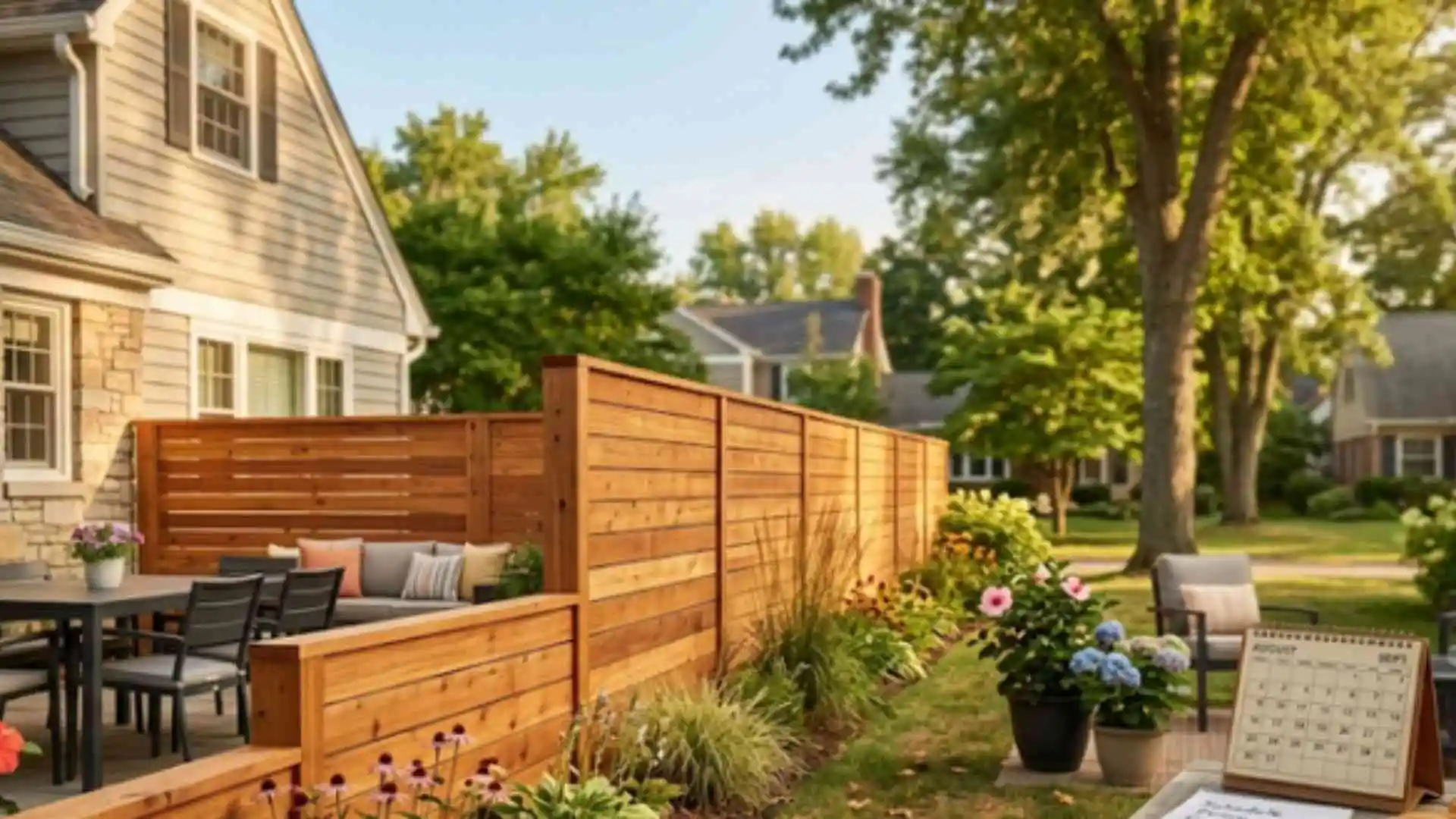
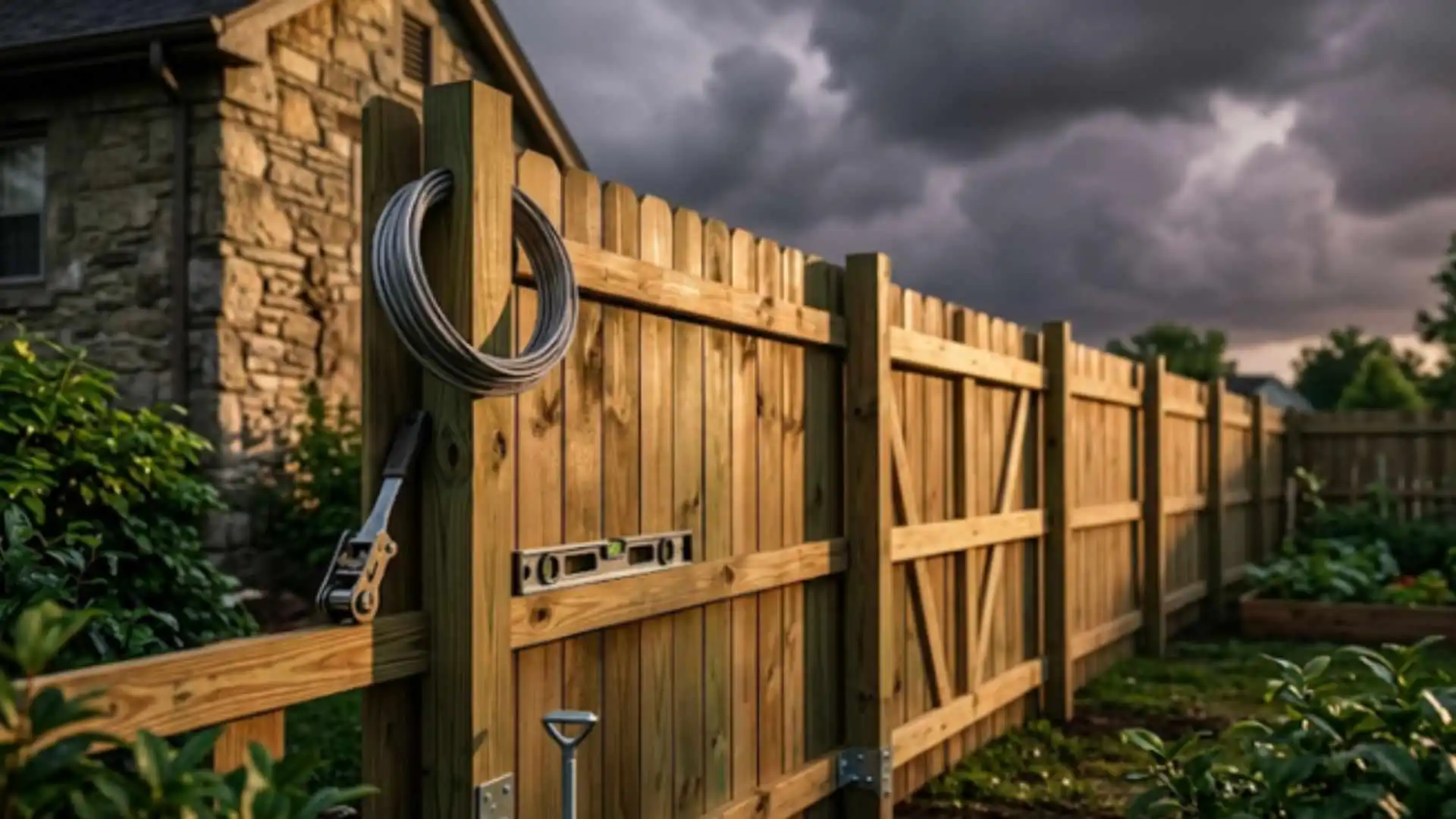
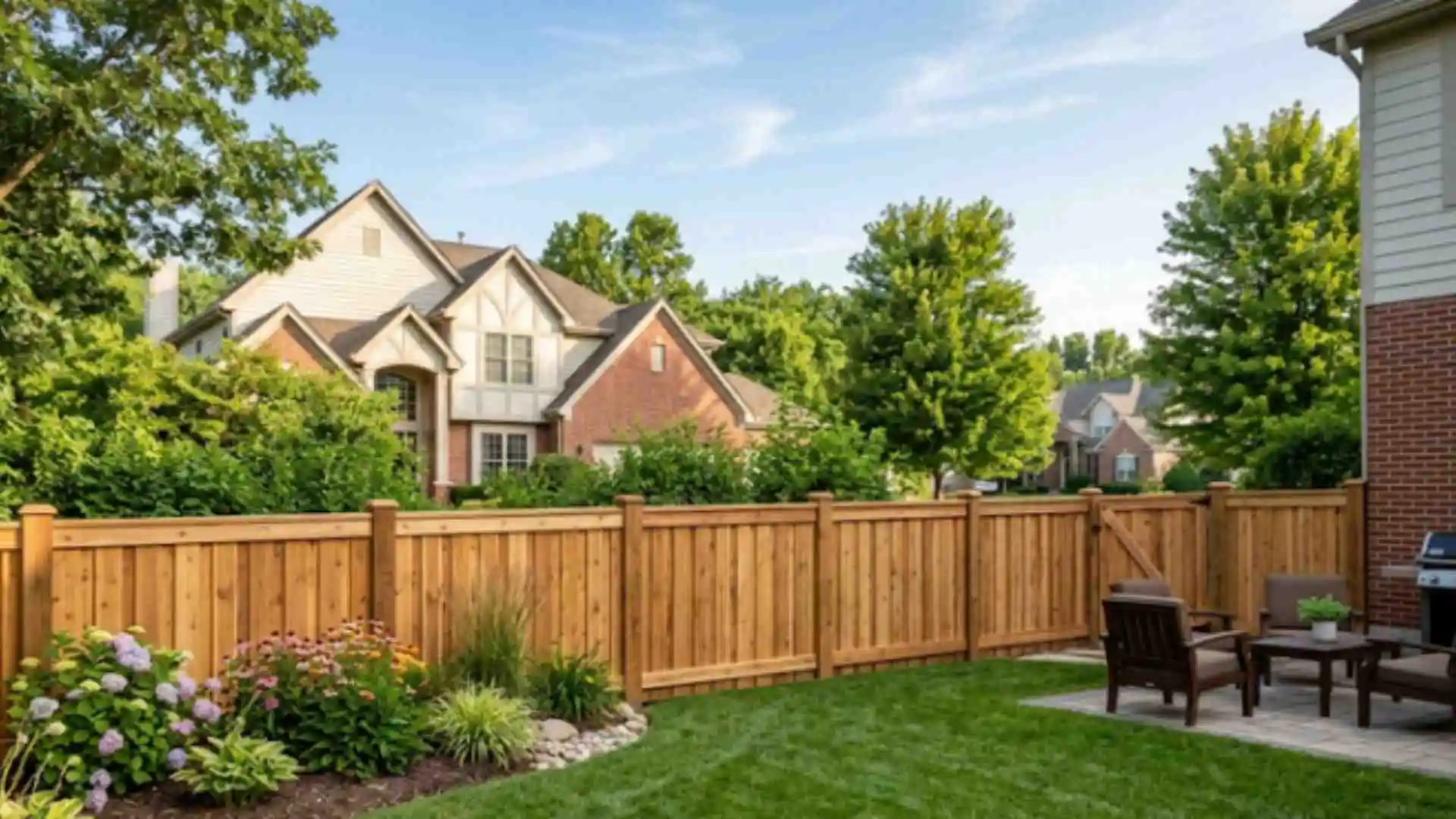
St. Louis summers are no joke. According to the National Weather Service, 2024 ranked as the second-warmest year in St. Louis history, with the city recording 56 days of high temperatures at or above 90°F, including three days that topped 100 degrees. Pair that with humidity levels that peak at 68% in July (Weather-US Climate Data), and you have conditions that are genuinely punishing for outdoor structures, including your fence.
At Faster Fences, we have spent years working as a trusted fencing contractor in St. Louis MO, and we have seen firsthand what neglect during the summer months can do to an otherwise solid fence. The good news? Much of this damage can be avoided with proper maintenance and early attention. This guide gives you the practical, experience-backed advice you need to protect your fence investment and keep it looking great season after season.
Why St. Louis Summers Are Especially Hard on Fences
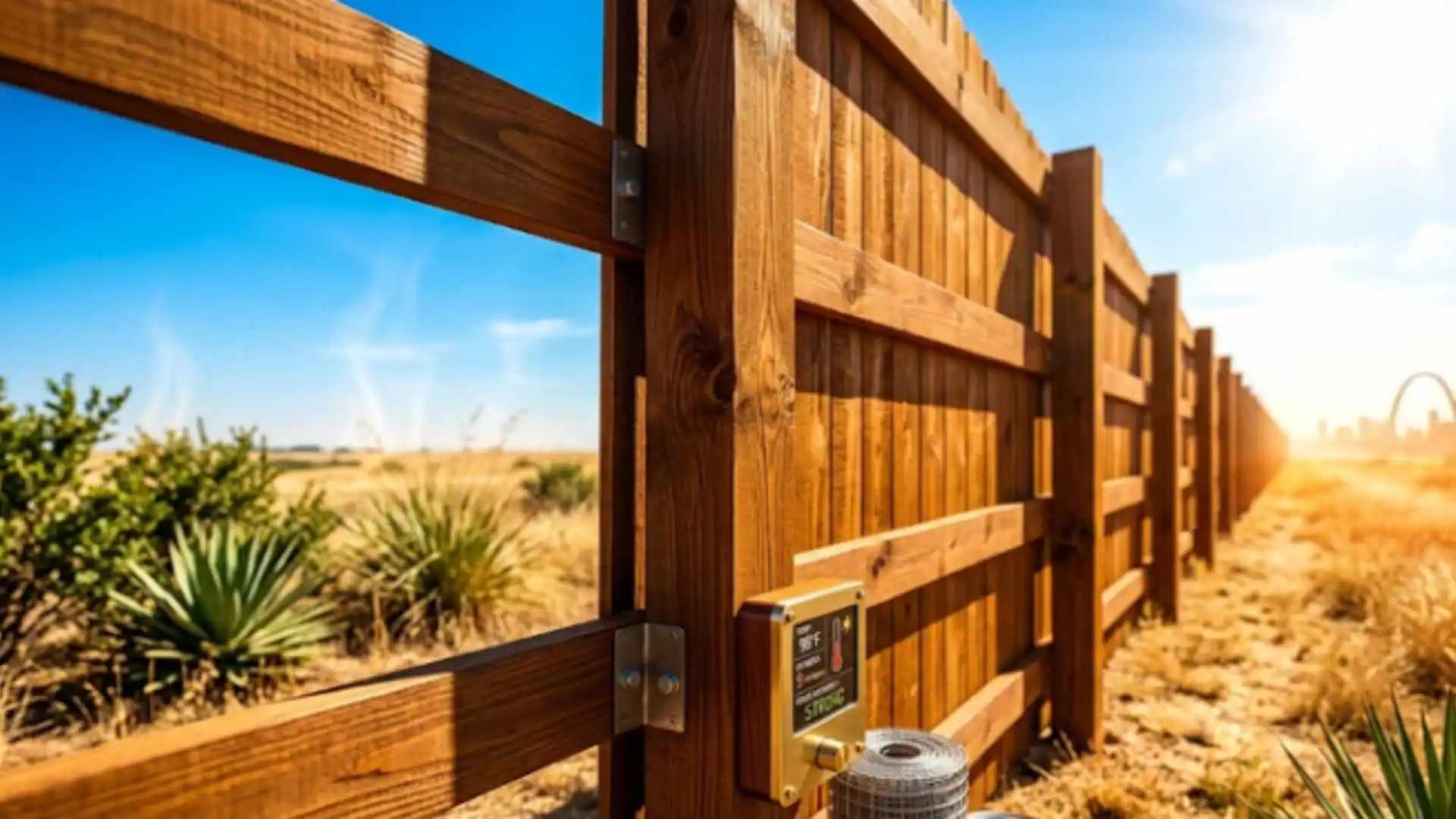
Before diving into maintenance tips, it helps to understand why summer in St. Louis is so tough on fencing materials. The city sits in a humid continental climate, which means homeowners deal with a UV index that peaks at 9 during June through August (Weather-US Climate Data), high humidity that drives moisture into wood grain, extreme heat cycles that loosen fasteners and joints, and severe summer storms that test structural integrity.
These are not theoretical concerns. Studies published in Photochemical and Photobiological Sciences have found that UV radiation from sunlight can degrade materials like wood and plastic, while increasing temperatures may cause these materials to wear out more quickly. As an experienced Fence Builder in St. Louis, MO, we regularly receive calls in late summer from homeowners whose fences have warped, split, or started leaning after just one season of neglect.
Fence Maintenance by Material Type
Wood Fences: The Most Maintenance-Intensive Option
Wood is a popular choice for its natural beauty, but it requires the most attention during summer. According to Angi, wood fencing typically lasts between 10 and 20 years, and only with consistent, ongoing maintenance. Skip a few summers and you can cut that lifespan significantly.
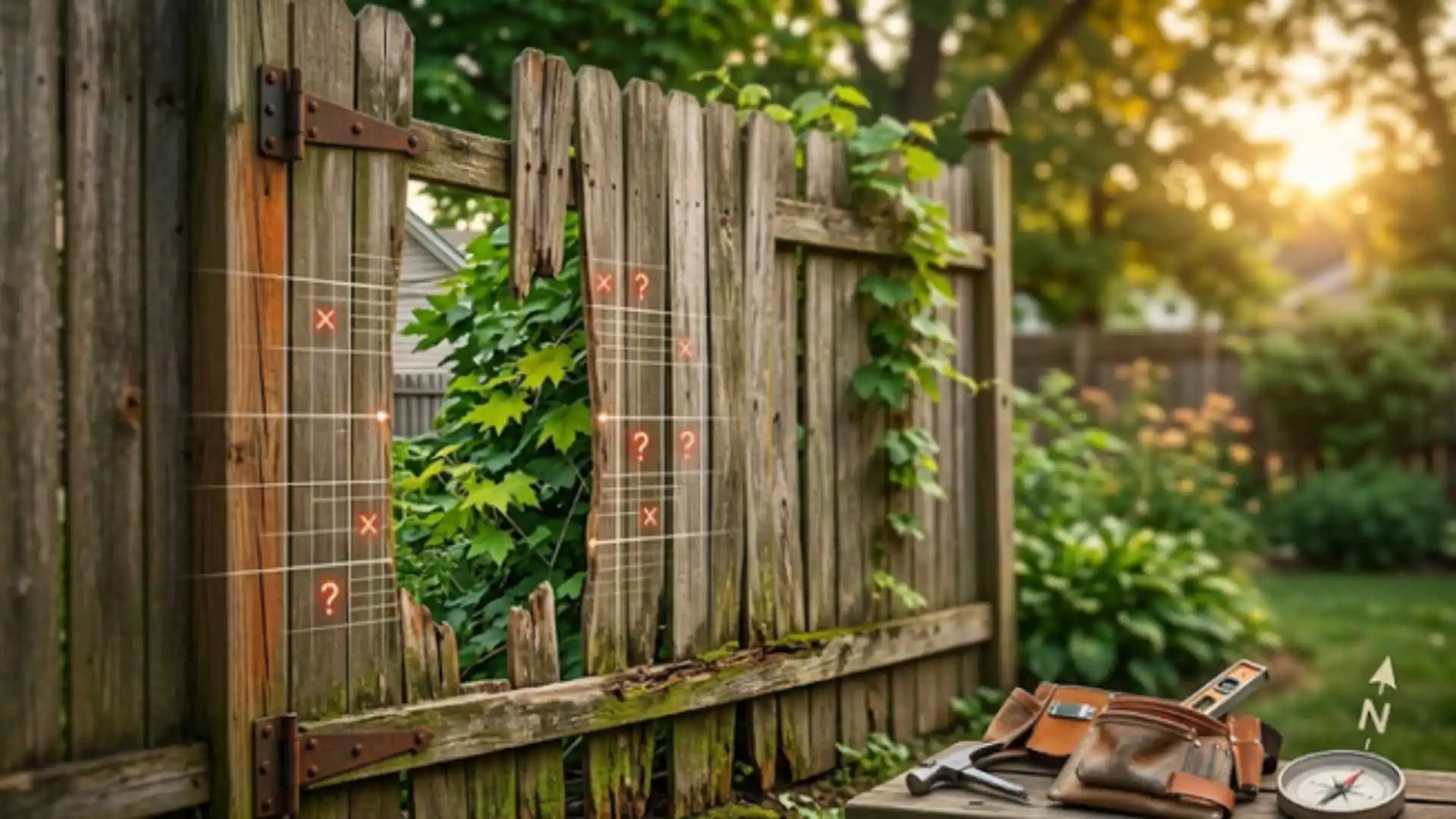
Inspect for Moisture Damage Early. Walk your fence line in June before the hottest weeks arrive. Look for discoloration, soft spots, or boards that feel spongy to the touch. Catching rot early means a simple board replacement rather than a full panel rebuild.
Clean Before You Seal. Homeowners often apply a fresh coat of sealant over a fence that has not been adequately cleaned. Dirt, mold spores, and mildew lock in under the coat and continue doing damage. Clean the wood first with a pressure washer on a low setting or a brush and mild detergent, then allow it to dry completely before sealing.
Apply a UV-Resistant Stain or Sealant. Research from the USDA Forest Service confirms that UV radiation rapidly degrades wood surfaces, with shorter-wavelength UV light causing the most immediate surface erosion. A quality penetrating sealant with UV inhibitors protects the wood from the inside out. For St. Louis homeowners, resealing every one to two years is generally recommended, especially for fences that face south and receive prolonged sunlight.
Tighten or Replace Hardware. Heat causes wood to expand and contract, working screws and nails loose over time. Upgrade to stainless steel or coated fasteners if rust staining is a recurring problem.
Vinyl Fences: Durable but Not Indestructible
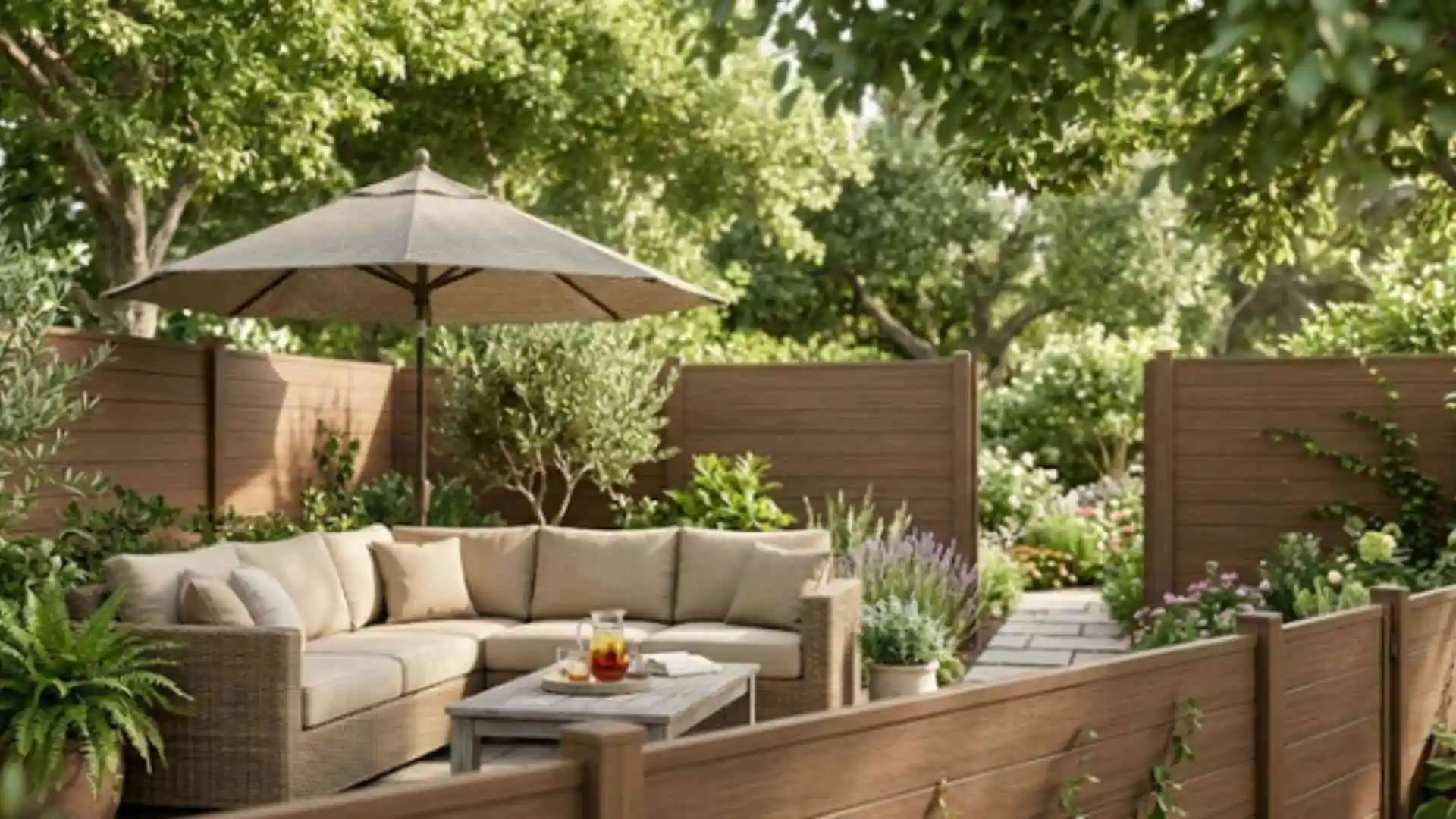
Vinyl fencing typically lasts 20 to 30 years with minimal upkeep, compared to wood’s 10 to 20 years under ideal conditions (Angi). That lifespan advantage is real, but it still requires some seasonal attention.
Watch for warping caused by improperly installed panels or insufficient expansion gaps, particularly in cheaper installations. Clean off mold and algae using white vinegar and water or a dedicated vinyl cleaner, since St. Louis humidity creates prime conditions for growth on north-facing sections. Inspect post bases where each post meets the ground, as even stable-looking panels can have destabilized footings that will worsen over time if ignored.
Wrought Iron and Aluminum Fences: Rust Is the Enemy
Wrought iron can last 30 to 50 years with proper installation and maintenance, according to Angi, making it one of the longest-lasting fencing materials available. But summer heat and humidity accelerate oxidation, and skipping even one or two maintenance cycles can allow corrosion to spread fast.
Inspect for rust spots annually. Use a wire brush to remove surface rust, then apply a rust-inhibiting primer and matching paint. Examine chipped or damaged finish areas carefully, as they are often the first places deterioration begins. Look for gaps, cracks, or weakened connections at welded joints and pickets caused by temperature-related movement. Apply a coat of automotive or exterior metal wax after cleaning to add a barrier against humidity and UV exposure.
Structural Tips That Apply to Every Fence
A few structural checks should be part of every homeowner’s summer routine, regardless of material.
Check for leaning posts. Soil shifts with moisture changes, and posts that have moved even slightly create uneven stress across the entire panel system. Clear vegetation along the fence line. Vines and overgrown shrubs trap moisture and can physically pull panels out of alignment over time. Address storm damage promptly. The National Weather Service documents a consistent pattern of damaging wind events, large hail, and severe thunderstorms across the St. Louis metro every summer. After any major storm, walk your fence line and look for leaning panels, broken boards, or shifted posts.
Why Maintenance Matters for Your Home’s Value
According to Redfin, a well-maintained fence can return between 30% and 70% of its installation cost in added home value. That math only works if the fence is in good condition. An appraiser who finds a fence that is leaning, rotting, or heavily rusted will subtract value rather than add it, because a damaged fence signals broader neglect to buyers. Staying on top of seasonal maintenance is one of the simplest ways to protect what is often a several-thousand-dollar investment.
When Maintenance Is Not Enough
Sometimes the right call is to bring in a professional. If you are dealing with multiple rotted or broken posts, widespread panel warping, a fence that consistently leans after being reset, or any section that poses a safety risk, DIY maintenance has reached its limit. Visit Our Services page to see the full range of repair, replacement, and installation work Faster Fences handles throughout the St. Louis metro area.
If your fence is aging out entirely, summer is a practical time to plan a replacement. As a leading fence installation company in United States, we handle projects of every scope and style. We also specialize in custom fences built to your property’s exact dimensions, aesthetic, and functional requirements.
Why Local Expertise Makes a Real Difference
Nine of St. Louis’s ten warmest years have occurred since 1990 (National Weather Service). That long-term trend matters for material selection, maintenance schedules, and installation standards. There is a meaningful difference between a generalist contractor and a dedicated Missouri fence builder who factors in local soil conditions, climate patterns, and code requirements on every project.
To learn more about our team and what sets us apart, visit our About us page. We stand behind every project we complete in this community.
Protect Your Fence. Protect Your Investment.
A well-maintained fence can last for decades and add real value to your property. Whether you need an inspection, a repair estimate, or a full installation quote, Faster Fences is ready to help. Reach out through our Contact us page to schedule a consultation. Do not wait until a small maintenance issue turns into a costly repair. Give your fence the attention it deserves while the season is still on your side.