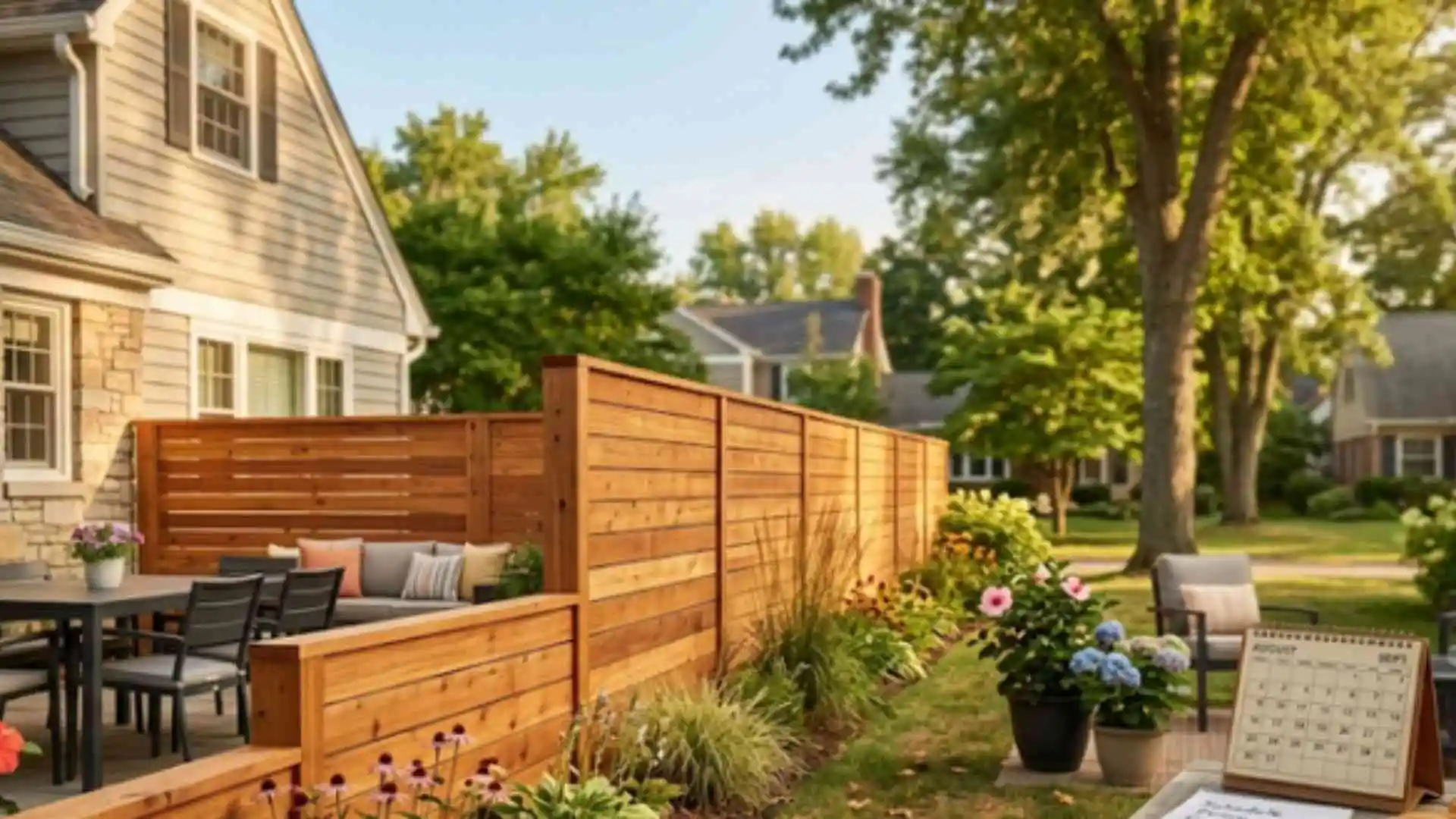
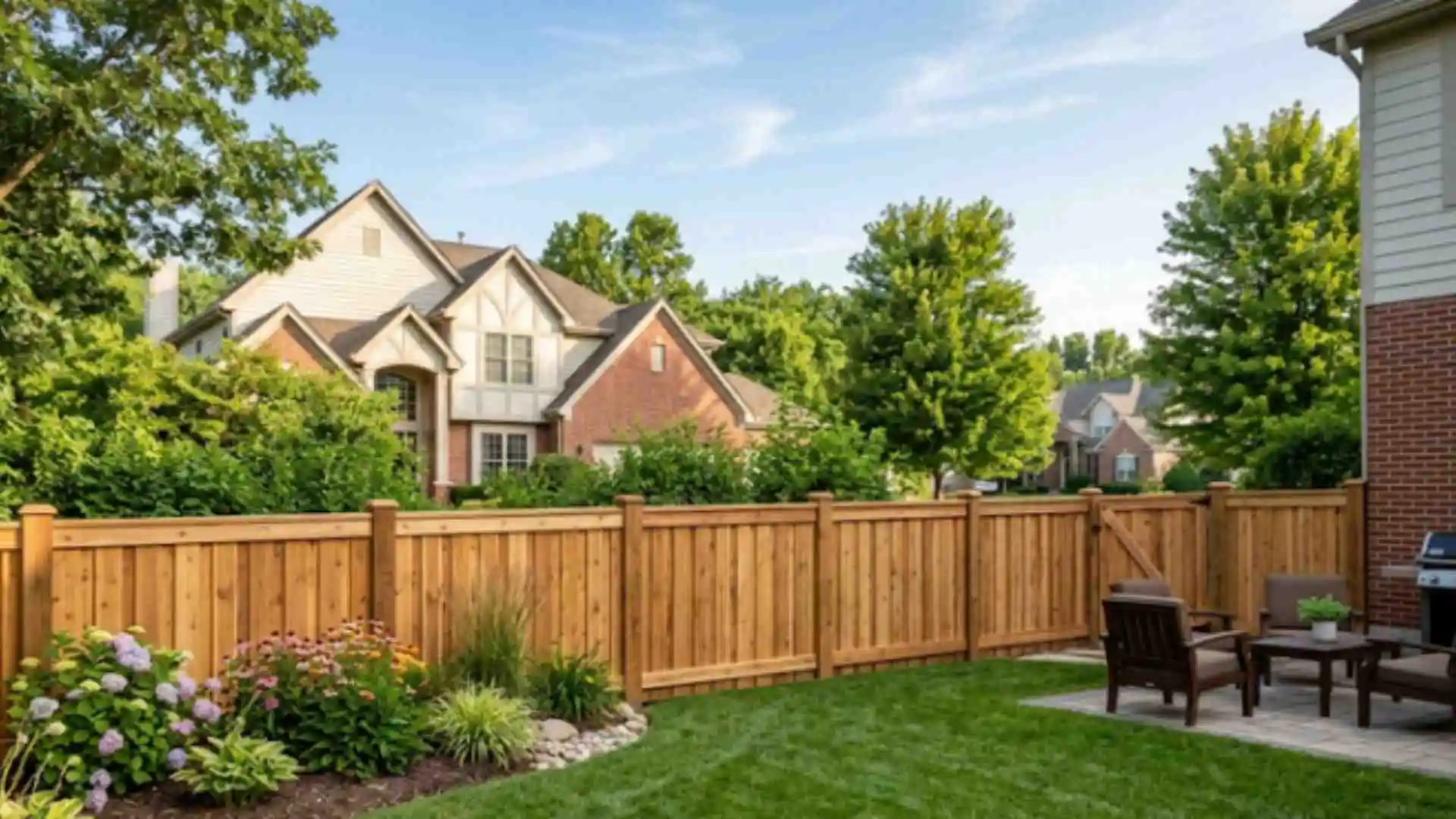
If you have been putting off your fence project until “next season,” late summer might actually be the season you have been waiting for. While spring is often viewed as the best time for outdoor projects in St. Louis, that timing doesn’t always work in homeowners’ favor. By the time spring rolls around, demand spikes, schedules fill up fast, and homeowners find themselves waiting weeks longer than expected just to get an estimate. Late summer, on the other hand, offers a quieter window with real advantages, both for your timeline and your wallet.
As a fencing contractor in St. Louis, MO, we see this pattern play out every year. Homeowners who plan in July and August end up with more flexible scheduling, better weather for construction, and fences ready to go before the first frost. Here is why timing matters more than most people realize, and how to make the most of it.
Why Late Summer Beats the Spring Rush
Less Competition for Contractor Time
Spring is when everyone suddenly remembers they wanted a new fence. Landscaping projects, deck builds, and fence installations all compete for the same pool of local contractors, which means longer wait times and less room for scheduling flexibility. Late summer sits in a natural lull. Crews have worked through the early summer backlog, and the fall rush has not started yet. That gap is exactly when a Fence Builder in St. Louis, MO has the bandwidth to give your project the attention it deserves, rather than squeezing it between a dozen other jobs.
Ground Conditions Are More Predictable
Missouri soil can be unpredictable in early spring. Climate normals from the National Weather Service show that the St. Louis region receives its heaviest rainfall during spring, particularly from April through June, when seasonal storms and snowmelt increase soil moisture. That kind of moisture load matters more than most homeowners realize once digging begins.
Much of the St. Louis area sits on expansive clay soil, and clay behaves very differently wet versus dry. Jennifer Schutter of the University of Missouri Extension explains that clay soils compact easily, particularly under wet conditions, creating a dense layer that limits the movement of water, air, and equipment.
Digging post holes in saturated clay often means dealing with collapsing walls, inconsistent depth, and concrete that struggles to bond properly. By late summer, that same clay has typically dried out and firmed up, which allows for cleaner excavation and a more stable base for each post. A fence is only as good as what is holding it in the ground, and stable soil conditions make a measurable difference in long-term durability.
Materials Are Cured and Ready Before Winter
Installing wood or vinyl fencing before winter gives the materials time to adjust to normal outdoor conditions. Wood, in particular, needs a stretch of dry, moderate weather to properly cure sealants and stains. Installing in late summer gives your fence a few months to settle in before freezing temperatures and ice put it to the test. Homeowners who postpone installation until late fall or early winter may face minor maintenance concerns, such as slight shifting or uneven stain absorption, as materials continue to adjust after installation.
Common Concerns Homeowners Have About Timing
“Could Waiting Too Long Increase Your Fence Installation Costs?”
It is a fair worry. Many homeowners assume prices only go up the longer they wait, but the opposite is often true in the fencing world. Late summer, being a lower-demand period, can actually open the door to more favorable scheduling and pricing than the crunch of peak spring season. Scheduling your project now can help you avoid the higher costs that sometimes accompany peak demand.
“What If My Yard Isn’t Ready?”
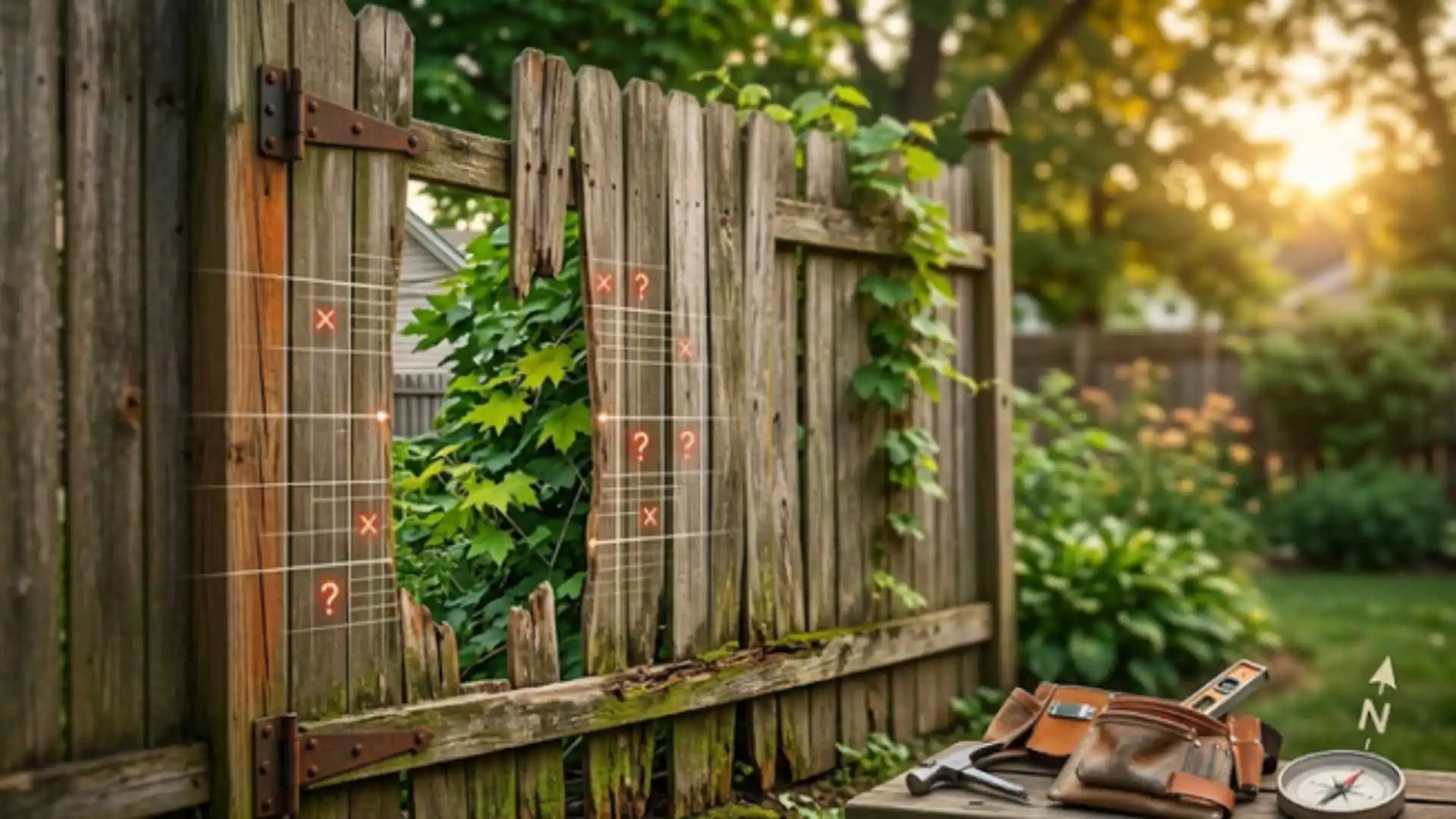
This is one of the most common hesitations we hear, and it is rarely as big a hurdle as homeowners expect. A good contractor should be able to walk your property, flag any obstacles like uneven grading, tree roots, or utility lines, and build a plan around them. This is where experience matters. A team that has handled hundreds of St. Louis yards, with their mix of clay soil, sloped lots, and mature landscaping, will know how to adapt rather than force a one-size-fits-all approach.
“How Do I Know Who to Trust?”
This is the big one. Fencing is a significant investment, and homeowners are right to be cautious. Look for a fence installation company in United States Missouri homeowners actually recommend, not just one that shows up first in a search. Check their project history, ask about their process, and do not be afraid to ask direct questions about materials, timelines, and warranty coverage. A trustworthy fence builder will welcome those questions, not dodge them.
What to Expect From a Late Summer Installation Timeline
A typical fence project moves through a few clear stages: an initial consultation and property walkthrough, a design conversation based on your goals (privacy, security, curb appeal, or all three), material selection, and then installation itself. Scheduling in late summer often means shorter gaps between each of these stages simply because contractor calendars are not as backed up. Homeowners who plan now can realistically expect their fence installed and settled well before holiday gatherings or winter weather arrives.
It also gives you time to think through details that get rushed during peak season, like gate placement, fence height for privacy versus visibility, and how the fence will interact with existing landscaping. It’s worth taking the time to carefully consider these choices.
A Fence Built for St. Louis Living
St. Louis properties come with their own quirks, from clay-heavy soil to older neighborhoods with mature trees and established landscaping. Local knowledge matters here. Working with an experienced Missouri fence builder means partnering with a team that understands the region’s soil conditions, weather patterns, local regulations, and the installation practices that help fences stand the test of time.
A contractor who understands the region’s soil composition, seasonal weather patterns, and common yard layouts is going to deliver a more reliable installation than a generalist working from a national playbook. That is the value of local fencing expertise. It is not just about proximity; it is about understanding the specific conditions your fence will need to withstand year after year.
What Sets Us Apart
Plenty of companies can put posts in the ground. Fewer can walk you through why those posts are placed where they are, why one material outperforms another on your specific lot, and what to expect at every stage in between. That difference shows up in three places.
Real Local Experience, Not Guesswork
We are not applying a generic national process to St. Louis yards. Every estimate starts with an honest look at your property, its soil, its grading, its existing landscaping, and what has and has not held up on similar homes nearby. That kind of pattern recognition only comes from doing this work in this region, year after year. It is the difference between a fence that fits your yard and one that just fits a template.
A Process Built Around Clear Communication
Homeowners consistently tell us the most stressful part of a home project is not the work itself; it is not knowing what is happening or when. We keep that friction out of the process. You get a clear timeline up front, straightforward answers about materials and costs, and a crew that shows up when they say they will. No vague estimates, no disappearing after the contract is signed.
Craftsmanship Backed by Follow-Through
A fence is a long-term investment, and we treat it that way. That means proper post depth and setting for Missouri’s clay soil, materials chosen to hold up against our seasonal swings, and a team that stands behind the finished product rather than moving on the moment the last post is in. If a question comes up six months down the road, you will still be able to reach us.
Taken together, this is what separates a fence that looks good for one season from one that still looks good in five years. It is also why so many of our clients come from referrals rather than cold searches, which says more about consistency than any marketing claim could.
Ready to Get Ahead of the Season?
Late summer will not stay quiet for long. As fall approaches, scheduling tightens up again, and homeowners who waited too long often find themselves back in the same crunch they were trying to avoid. If you have been considering a new fence, now is the time to start the conversation.
We would love to walk you through our approach, show you examples of past work, and help you figure out what makes sense for your property and budget. Visit our About Us page to learn more about who we are and how we got here, browse Our Services to see the full range of what we offer, or head straight to our Contact Us page to schedule a free estimate. Whatever stage you are at in the planning process, we are here to help you get it right the first time, before the season turns and the calendar fills up.