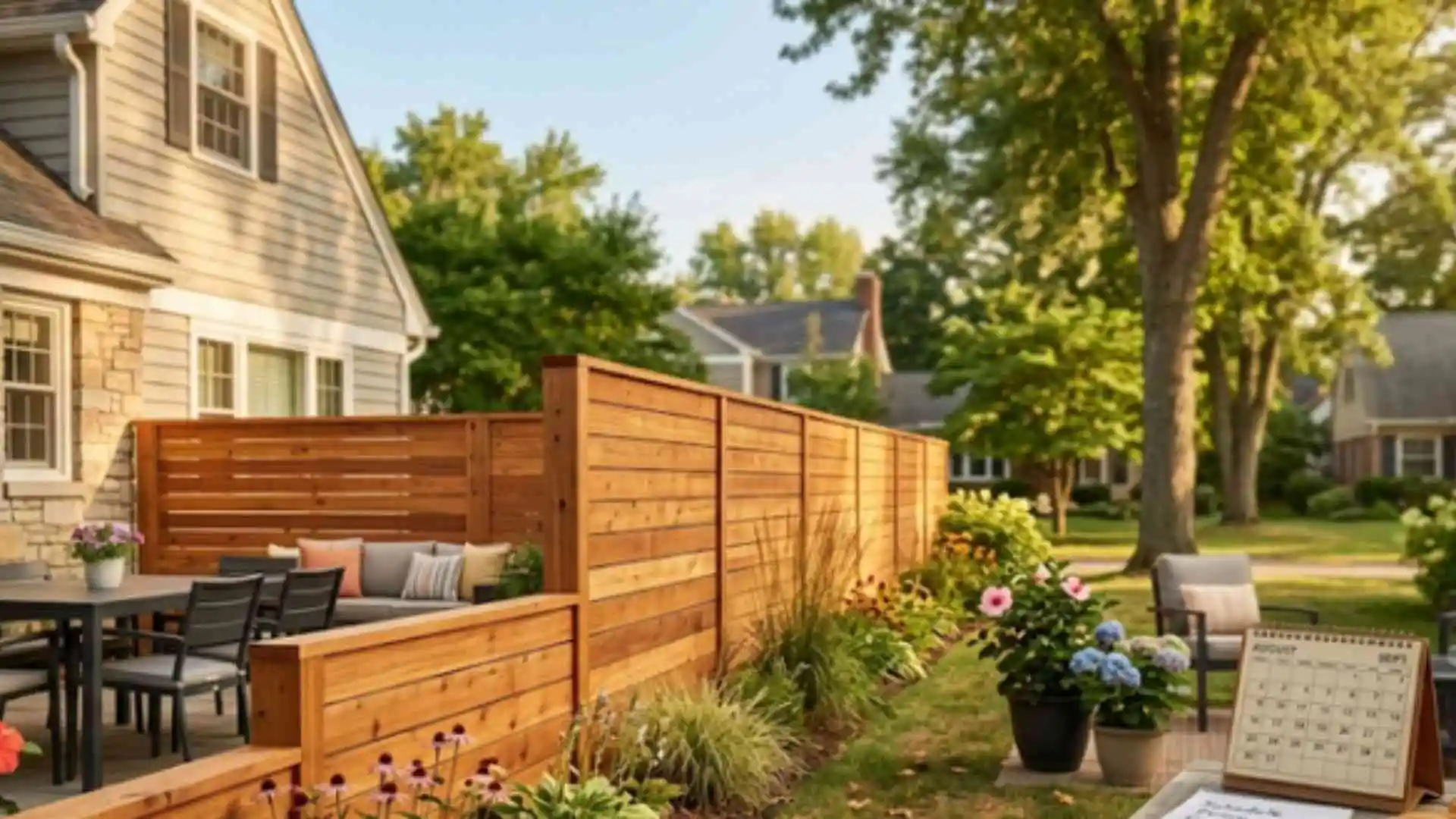
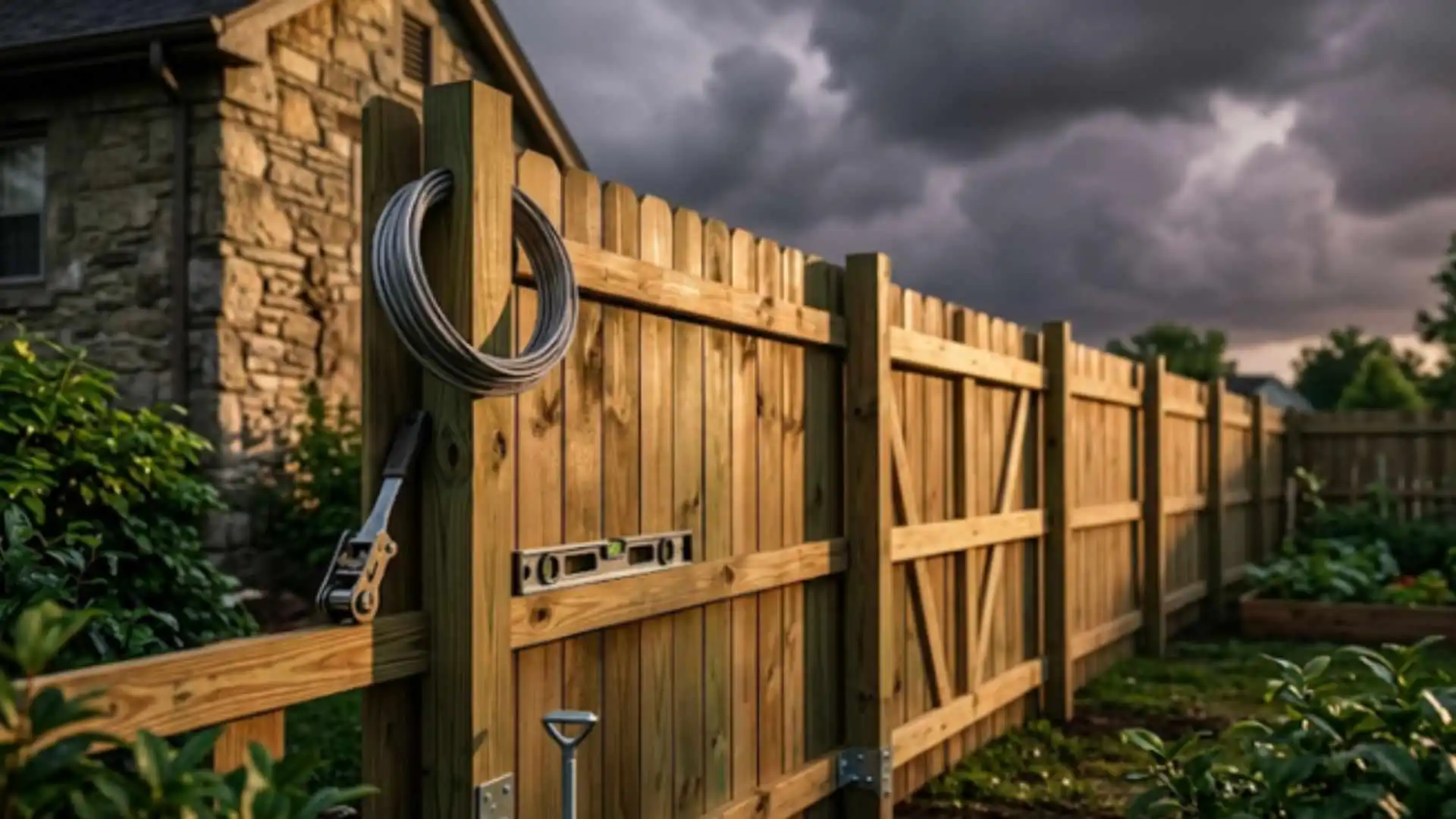
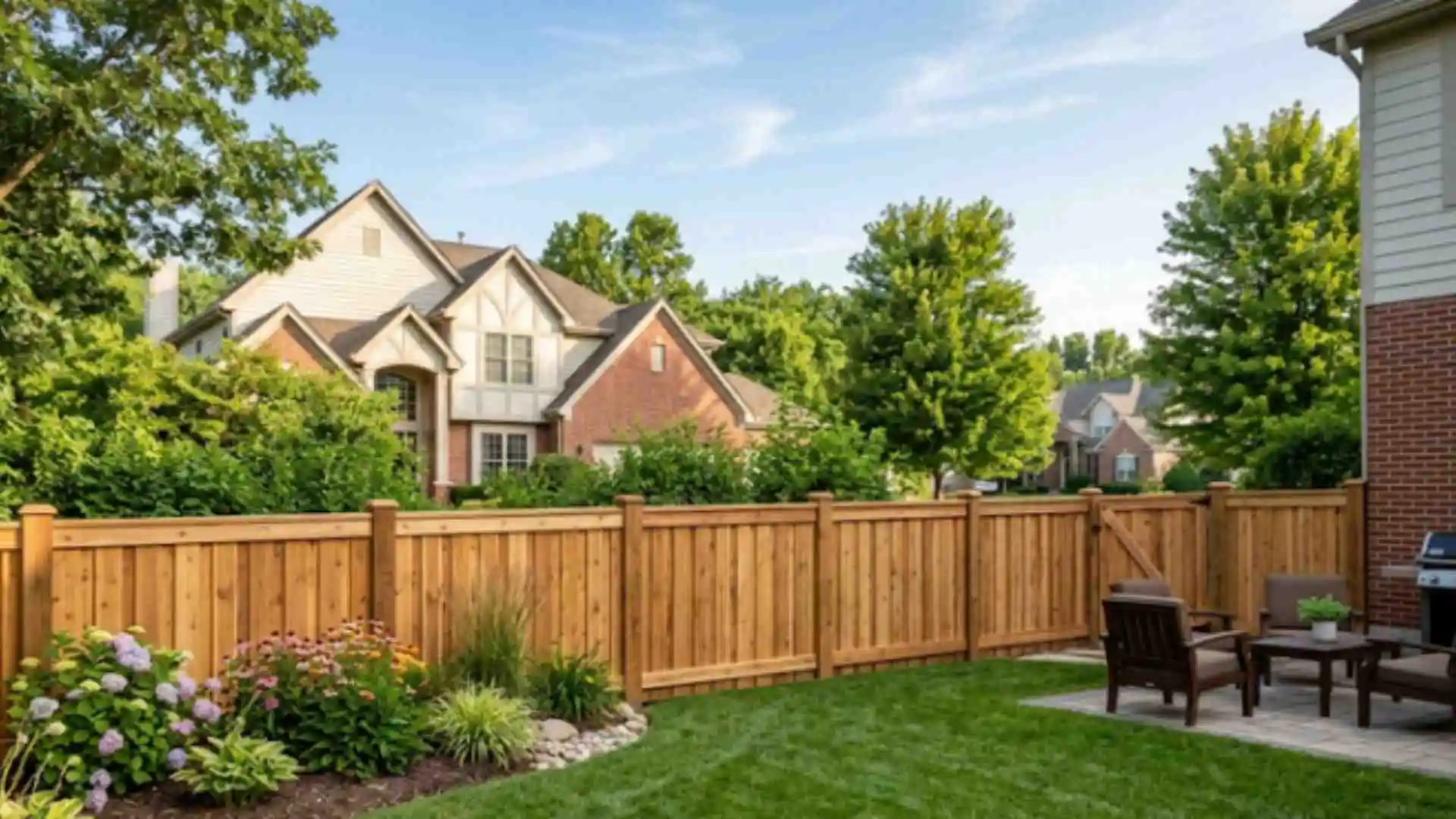
Winter in St. Louis and St. Charles, MO can be beautiful, but it also brings harsh conditions that can damage your fence. From heavy snowfall to strong winds, your property’s fencing needs extra care to stay durable and functional throughout the season. Whether you have a wooden privacy fence, vinyl, or metal fencing, understanding how to protect it from ice, snow, and wind can save you time, money, and frustration.
Why Winter Weather Affects Fences
Cold temperatures, ice, and snow all contribute to structural stress. Snow accumulation adds significant weight to fence panels and can lead to sagging or leaning when left unmanaged. Drifting snow doesn’t just settle evenly; uneven pressure can loosen posts and distort panels over time, according to Dino UK.
Moisture from melting ice and snow can also penetrate wood and expand when it refreezes, creating cracks and increasing the risk of rot or decay, according to Wilfirs. Meanwhile, freezing and thawing of groundwater can lead to frost heave where soil expands and contracts, potentially lifting or shifting fence posts, which is one of the leading causes of winter fence damage in the Midwest, according to Dach Fence.
Wind places continuous lateral pressure on fences, especially solid privacy fences. Structural engineering research shows that wind velocity reduction depends on fence density, but strong gusts especially above 15 km/hour can cause snow to drift and place increased stress on fence materials, according to Government of British Columbia.
Tips to Protect Your Fence
Inspect and Repair Early
Before the first snow, walk your fence line to check for weak posts, loose boards, or vulnerable hardware. Weather effects often begin with minor issues that become major problems if ignored. Regular inspections help you detect early signs of weather-related wear such as warping or leaning, according to Farmstand App.
Secure Loose Components
Tighten screws, nails, and brackets well before freezing weather arrives. Loose connections are more likely to loosen further under the stresses of freeze-thaw cycles and wind. Gates benefit from lubricated hinges to prevent freezing and resistance to warping.
Apply Protective Coatings
Moisture protection is especially important for wooden fences. Applying water-repellent sealers and weather-rated paints minimizes water absorption and prevents rot. Similarly, anti-rust coatings on metal fencing slow corrosion from snow and ice, according to MG Demir.
Remove Snow and Ice Promptly
Accumulated snow and ice puts extra weight and strain on fence panels. Regular removal using soft tools such as a broom or plastic shovel prevents heavy loads and reduces the chance of structural damage, according to Space Fencing.
Trim Nearby Trees and Improve Drainage
Falling branches laden with snow or ice can break or dent fencing, especially during windstorms. Trimming overhangs and improving drainage around the fence line keeps water from pooling around posts, reducing moisture penetration and frost heave risk, according to MG Demir.
Choosing the Right Fence for Harsh Winters
Not all fences withstand winter equally. Vinyl and aluminum fences typically resist moisture better than untreated wood, although extremely cold temperatures can make vinyl more brittle if not properly formulated, according to American A Fence.
If you are looking for a privacy fence contractor in St. Charles MO, Faster Fences can help you select materials and installation methods tailored to local climate conditions. Proper design and expert installation are the first steps toward a fence that endures seasonal stresses. To learn more about our company and team, check out our About Us page for detailed information.
Benefits of Permanent Fencing
Investing in permanent fencing in St. Charles MO ensures long-term protection for your property. A permanent fence designed to withstand local weather cycles will be less likely to require frequent repairs. Solid installation techniques, such as setting posts below the frost line and anchoring with reinforced concrete, help reduce frost heave damage, a common issue in cold climates, according to Dach Fence.
Working with a team who knows Our Services from planning to winter maintenance considerations increases the likelihood your fence will remain stable and secure through harsh conditions.
Trust a Reliable Fence Installation Company
Choosing a fence installation company in Missouri that understands local winter weather is essential. Professionals know how to mitigate risks from soil changes, moisture, wind, and snow load factors that can weaken improperly installed fences. Proper installation reduces the need for mid-season repairs and increases the longevity of your investment.
A knowledgeable installer can also guide you on seasonal maintenance routines, helping you spot weather-related issues before they worsen. Simply Contact Us to discuss options and get professional support for your St. Louis or St. Charles fencing project.
Expertise of a Fence Builder
A skilled Missouri fence builder combines high-quality materials with installation best practices to protect against winter climates. Professionals use techniques such as deep footing placements, weather-resistant coatings, and strategic planning to strengthen fence systems against snow, ice, and wind damage. Investing in expert construction helps preserve your property’s aesthetics and value.
Local Case Examples and Innovative Fence Protection Methods
In St. Louis and nearby Missouri communities, winter weather poses real challenges for fences. Homeowners and professionals are using proven methods to protect their property.
One approach involves composite and galvanized materials. Composite fencing, made from recycled wood fibers and plastic, resists warping, rot, and frost damage. Galvanized steel retains protective coatings even after years of exposure to moisture and salt.
Regional durability analyses show that freeze-thaw cycles and frost heave are major causes of fence post movement. To combat this, many installers use deeper post footings, allow for snow loads in fence design, and create drainage around posts to prevent water accumulation.
These techniques are widely applied by fence builders to ensure fences remain stable and durable through ice, snow, and wind.
Planning Ahead
Successful fence installation requires more than just digging post holes. At Faster Fences, we combine expert planning, high-quality materials, and professional installation to ensure your fence stands strong through ice, snow, and wind. Protect your property and enhance curb appeal with a fence built to last.
Faster Fences
Phone: 314-931-4605
Website: https://fasterfences.com/
To schedule a consultation. Our team is ready to provide guidance, materials, and professional installation for your next fencing project in St. Louis or St. Charles.