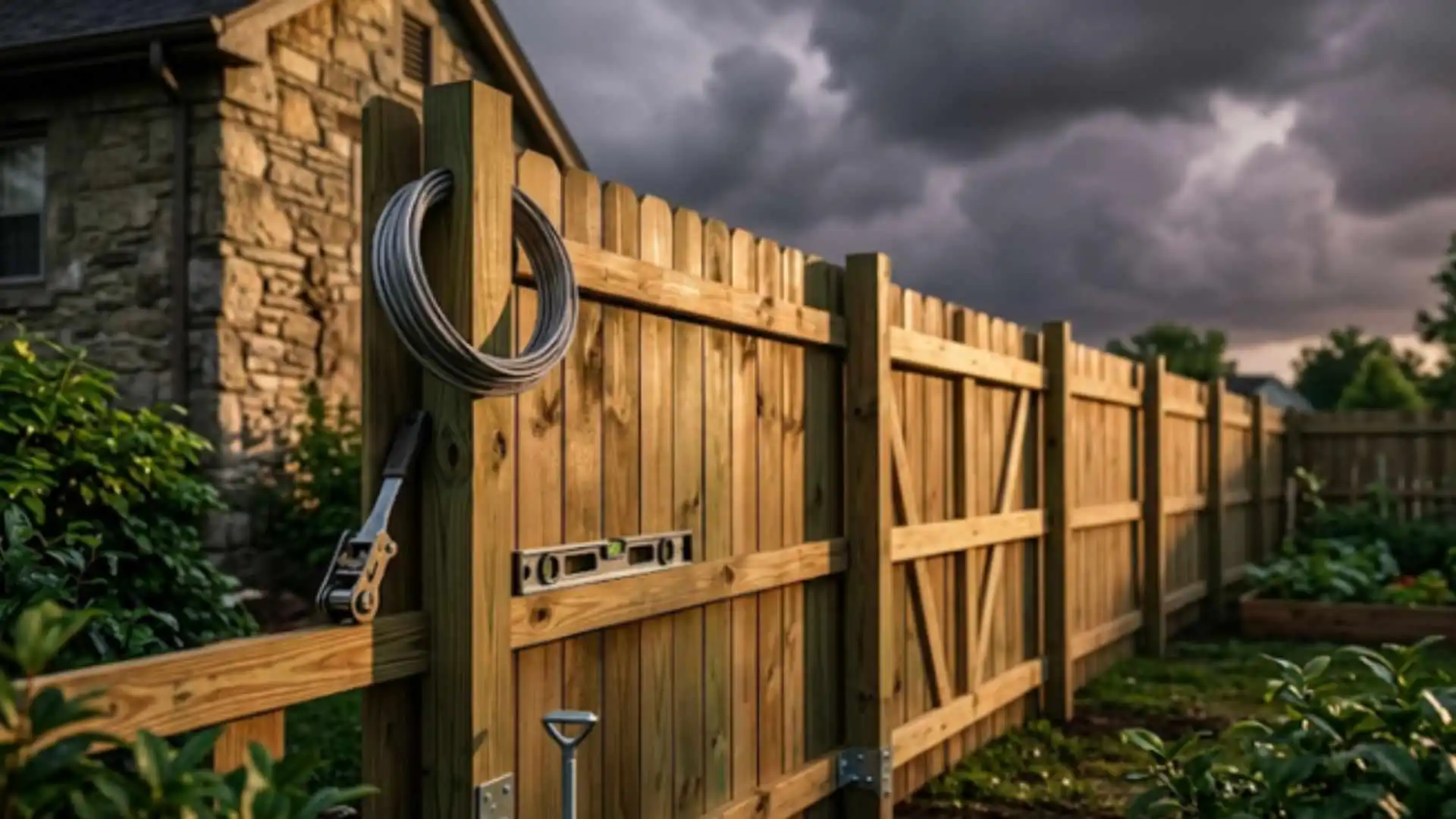
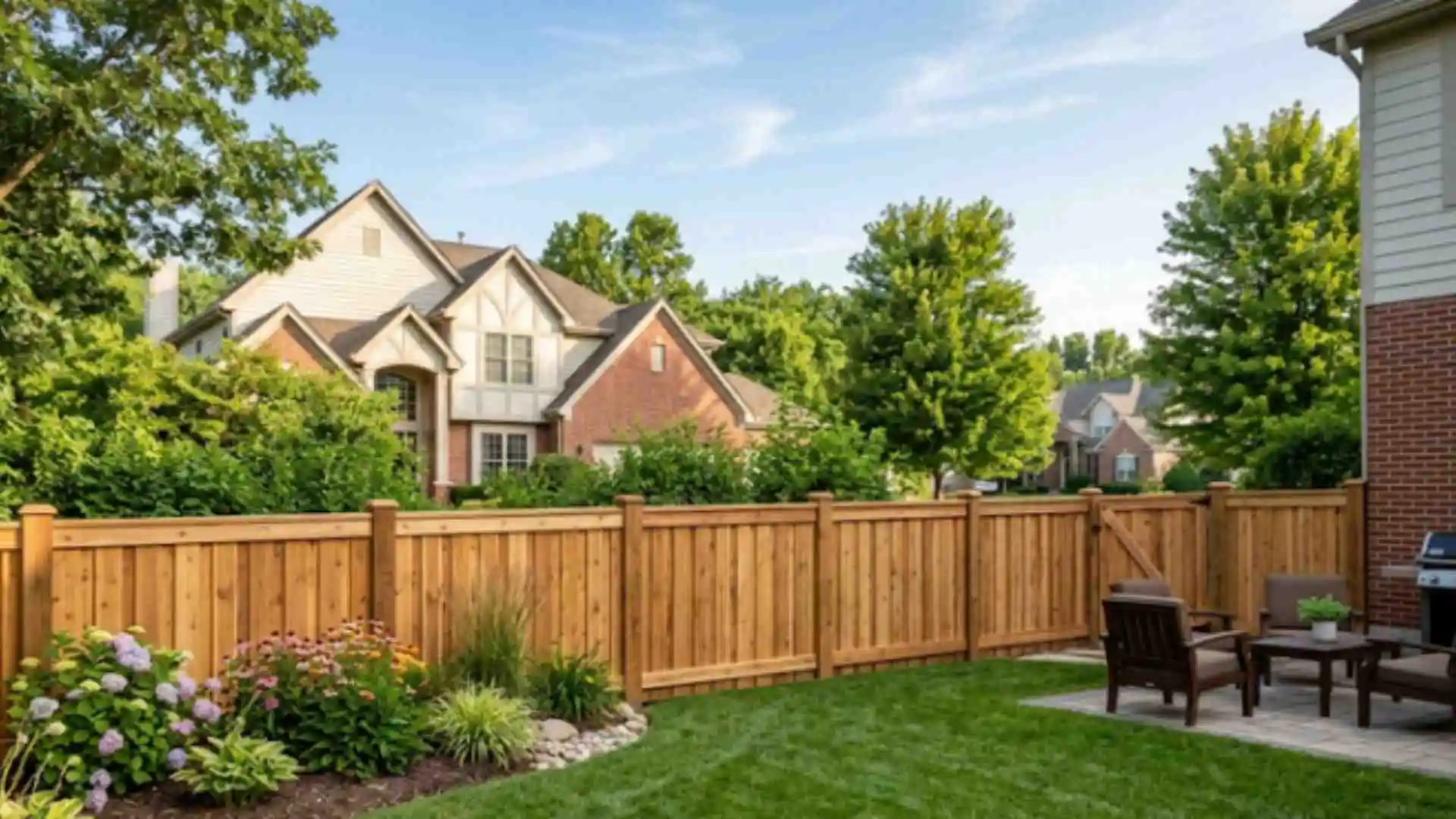
Winter in St. Louis brings freezing temperatures, ice, snow, and constant shifts between cold snaps and brief warmups. While these changes may seem routine, they can quietly cause serious damage to residential fencing. If your fence is leaning, cracking, or loosening during winter, you may be wondering whether it makes more sense to repair the damage or replace the fence altogether.
Making the right decision now can help prevent bigger issues in spring, protect your property, and save money long term.
How Missouri Winters Damage Fences
Winter weather is one of the most damaging forces for fences in the Midwest. According to Main Street Fence, repeated freeze-thaw cycles cause moisture in soil and wood to expand and contract, which can loosen fence posts and weaken structural stability over time. This is especially common in older fences where posts were set years ago, and the soil has already shifted.
Snow and ice add another layer of stress. Ergeon, a national fencing contractor, notes that accumulated snow and ice can place excessive weight on fence panels and rails, increasing the likelihood of sagging or breakage. Wood fencing is particularly vulnerable because it absorbs moisture, which then freezes and creates internal cracking.
Fence Lifespan: What the Data Shows
One of the most important factors in deciding whether to repair or replace a fence is its age. According to ZipDo Fencing Industry Statistics, the average lifespan of a traditional wood fence is 10 to 15 years, depending on climate, maintenance, and installation quality. In areas like St. Louis, where winter moisture is common, wood fences often reach the lower end of that range.
In contrast, SvoiZabor, a fencing materials research source, reports that vinyl fencing can last 20 to 30 years or more with minimal maintenance, making it a popular replacement option for homeowners dealing with repeated winter damage.
If your fence is already near or beyond its expected lifespan, winter issues are often a sign that replacement may be the smarter investment.
When Fence Repair Makes Sense
Fence repair can still be a good option when damage is limited and the overall structure is solid. Repairs are usually appropriate if:
- Only a few boards or pickets are cracked.
- Hardware has loosened due to soil movement.
- Posts remain mostly stable with minor shifting.
- Damage is cosmetic rather than structural.
According to Ergeon, addressing small issues early can prevent them from spreading and can extend the usable life of a fence by several years. A professional evaluation from fencing experts in St. Charles, MO, can confirm whether repairs will hold up through the rest of winter and into future seasons.
Local Insight: Winter Fence Repairs Built for St. Louis Conditions
St. Louis winters can be especially hard on fences because of frequent freeze-thaw cycles and heavy, moisture-holding soil. At Faster Fences, our team applies locally tested repair techniques designed for these conditions. Instead of surface-level fixes, fence posts are reinforced at greater depths to reduce shifting as the ground freezes and thaws.
Winter-rated hardware is used to stay secure in cold temperatures, and damaged boards are replaced with materials treated to better resist moisture. These methods reflect the experience shared throughout our About Us story and help homeowners avoid repeat issues long after winter ends.
What Sets Faster Fences Apart During Winter Repairs
Winter fence repairs require precision and accountability. Faster Fences backs all winter repair work with a workmanship guarantee that covers post stability, hardware performance, and structural alignment after seasonal ground movement.
Our repair process uses reinforced post-setting techniques, moisture-resistant fasteners, and material-specific repair methods designed to reduce shifting and splitting caused by freeze-thaw cycles. For homeowners, this means repairs are built to last beyond one winter, not just until warmer weather returns.
As a trusted Missouri fence builder, Faster Fences combines local expertise with durable materials to ensure your fence withstands the harsh winter months.
Signs Replacement Is the Better Choice
In some cases, repairing a fence is only a short-term solution. Local Choice Fence, a residential fencing authority, notes that when more than 15 to 20 percent of a wood fence shows damage, replacement is often more cost-effective than repeated repairs.
Replacement is usually the best option if:
- Multiple posts are rotting or leaning
- Large sections are sagging or collapsing.
- Repairs have become frequent and expensive.
- The fence no longer meets privacy or safety needs.
Replacing a fence during winter can also prepare your property for spring landscaping projects and improve curb appeal early in the year.
Choosing Materials That Perform Better in Winter
Modern fencing materials are designed to handle harsh weather more effectively than traditional wood. According to Fences Wire Mesh, galvanized and powder-coated metal fences resist rust and corrosion even in wet winter conditions. Vinyl fencing also performs well, as it does not absorb moisture or rot.
Industry data from ZipDo shows that demand for environmentally responsible fencing options continues to grow nationwide, leading many homeowners to explore eco-friendly fencing in St. Charles, MO, as a durable and sustainable alternative.
Why Professional Installation Matters in Winter
No matter how good the materials are, poor installation can lead to problems. According to professional fencing installation guidelines, frozen ground and cold temperatures can interfere with proper post setting and concrete curing. When posts are not set to the correct depth or concrete does not cure properly, fences are far more likely to shift or lean once temperatures fluctuate.
Working with a trusted fence installation company in Missouri ensures installation methods are adapted to local soil conditions and winter weather challenges. Quality fence installation helps prevent repeat repairs and extends the life of your investment. These standards guide how Faster Fences approaches all of Our Services, from winter repairs to full replacements.
Schedule Your Winter Fence Evaluation Today
Winter damage doesn’t fix itself. Addressing issues now can prevent larger repairs and higher costs later.
Faster Fences
Phone: (314) 555-0123
Contact our team today through our Contact Us page to schedule a professional inspection and get expert guidance on whether repairing or replacing your fence is the right move this winter.