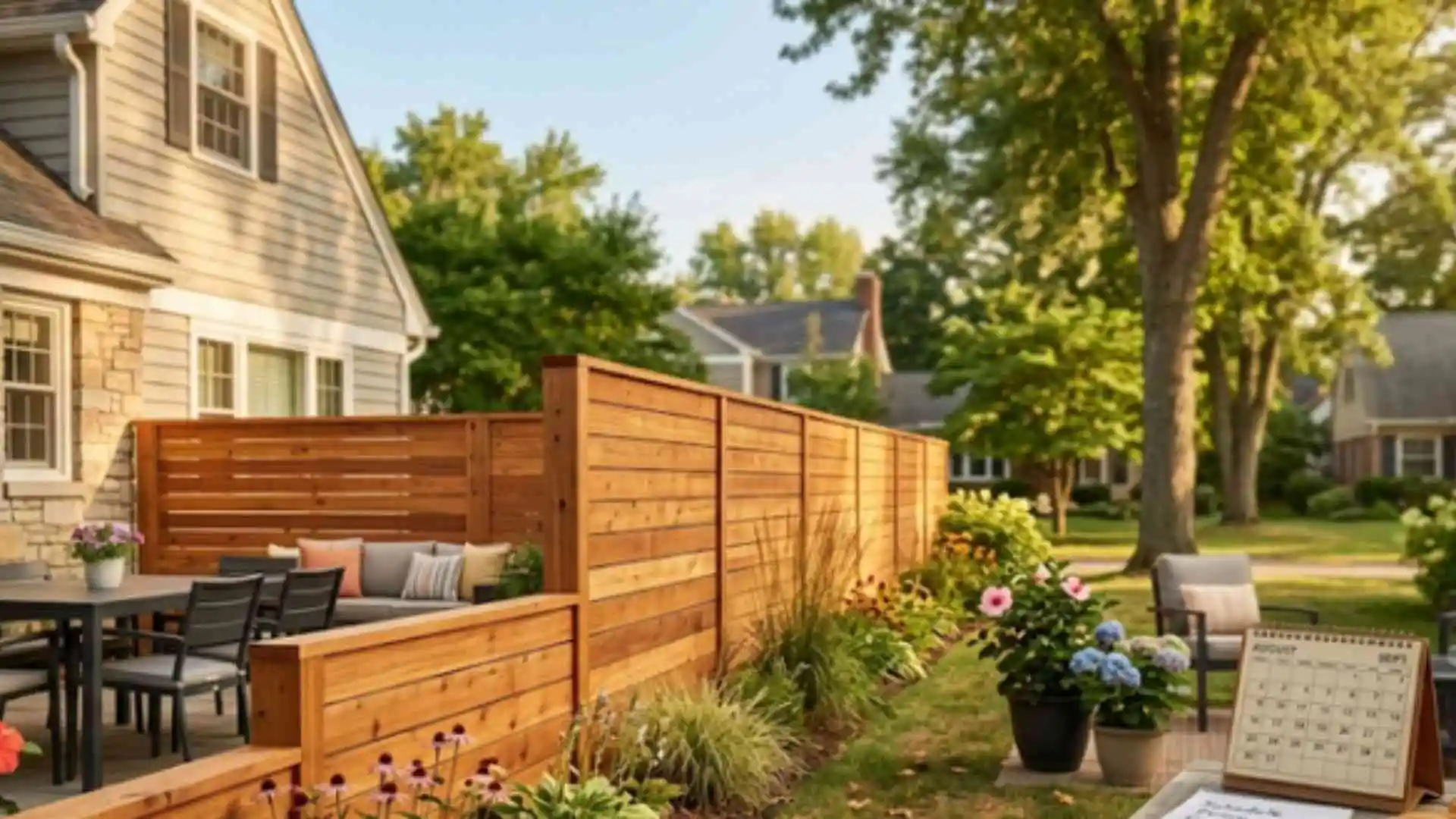
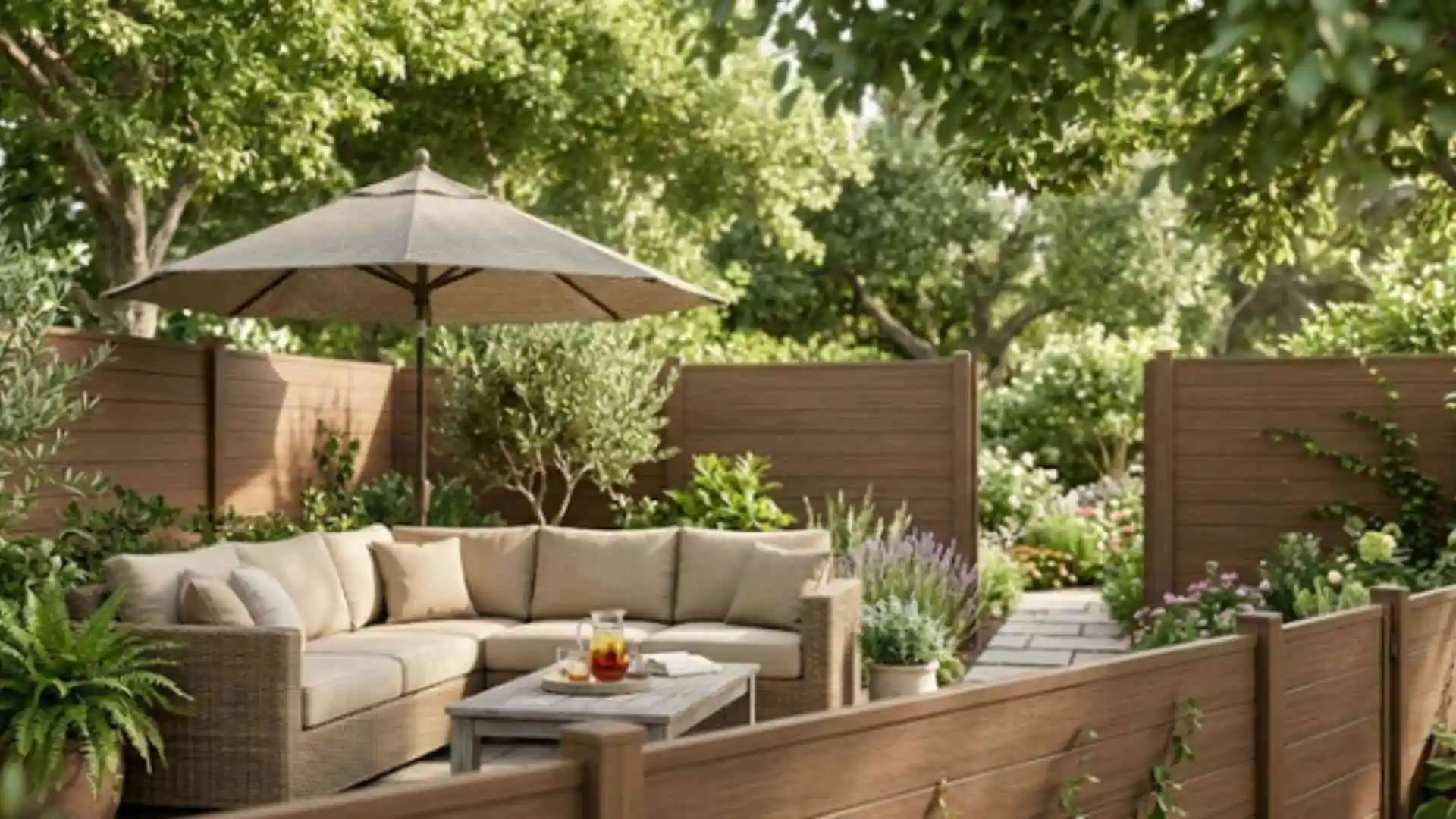
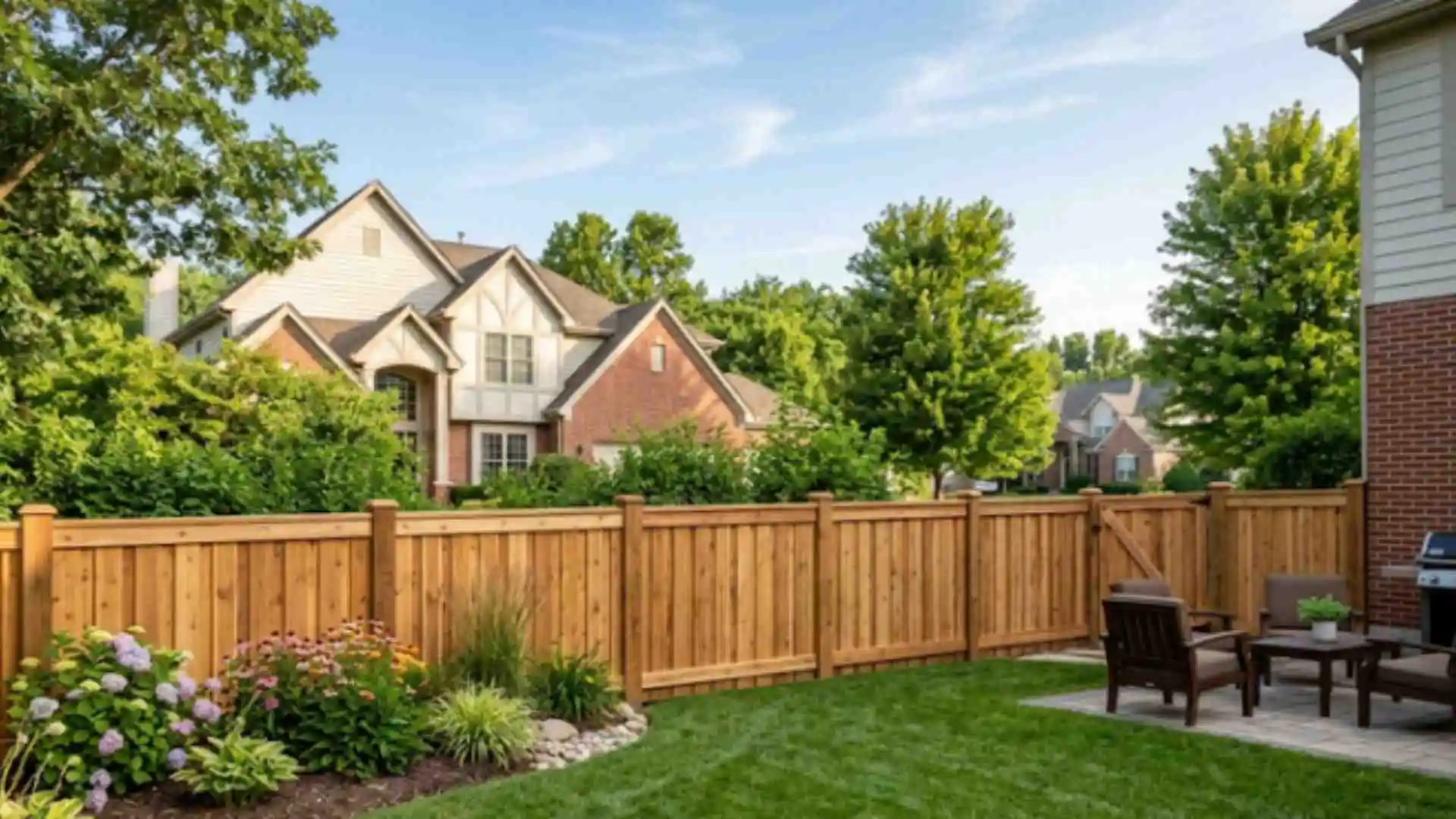
When planning a new fence for your Ladue, MO home, choosing between wood and vinyl is a major decision. Your choice will affect appearance, maintenance, cost, and how long the fence holds up under the St. Louis area climate. Here’s a data-based comparison, drawing on expert commentary and published case studies..
Published Data & Expert Commentary on Cost, Maintenance, and Lifespan
Several industry sources have directly compared wood and vinyl fences. The findings are consistent: wood has a lower initial cost but higher maintenance demands; vinyl costs more up front but tends to last longer with less upkeep.
- According to HomeAdvisor, wood fences typically cost between $17 to $45 per linear foot for materials and labor, while vinyl fences range from $10 to $40 per linear foot. HomeAdvisor also notes that while wood requires more frequent maintenance, vinyl often offers better value over time.
- Angi reports that vinyl fencing may cost more initially, but its minimal maintenance, resistance to rot, insect damage, and decay make it a strong long-term investment. Vinyl fences often last 20 to 30 years under good conditions, whereas well-maintained wood fences last about 15 years on average.
- Fixr highlights that styles and wood types (e.g., cedar vs. pine) have a significant impact on cost and durability. For example, cedar lasts longer and resists decay better, but costs more. Vinyl is less variable in durability but often more expensive for premium styles.
- Bob Vila provides data on repair costs: wood fences tend to require more repairs over time (replacing boards, fixing weather damage), while vinyl fence repairs are less frequent but can be more complex (e.g. panel replacement). The average repair cost for a wood fence might be several hundred dollars, depending on the damage.
- Local cost data in the St. Louis, Missouri area from HomeBlue shows that installed vinyl fences generally range from $30 to $50 per linear foot (for a 4-6 foot high fence) under typical conditions.
These expert and published sources strengthen the reliability of the facts: wood has a lower up-front cost, more frequent maintenance; vinyl has a higher up-front cost, but lower maintenance and longer useful life.
Climate-Specific Considerations
Missouri’s humid summers, wet springs, and freeze-thaw winters can shorten the lifespan of wood fences if they aren’t properly sealed. Angi emphasizes that untreated or poorly maintained wood is particularly vulnerable to rot and warping in high-moisture regions. Vinyl, by contrast, is highly resistant to moisture and insect damage, making it a practical choice for climates like St. Louis.
Incorporation of Certifications & Authoritative Expertise
- Many of the sources above are nationally recognized home improvement information sites: HomeAdvisor, Angi, Fixr, Bob Vila. Their standards for accuracy add credibility.
- Industry standard practices, such as using durable wood species (cedar, pressure-treated pine) and reputable vinyl manufacturers, are repeatedly recommended in these sources.
- These expert sources also highlight considerations such as local climate, style needs, and future maintenance when comparing wood vs. vinyl fences.
What This Means for Your Ladue Home
Based on verified data:
| Factor | Wood Fence | Vinyl Fence |
| Initial Cost | Lower (within ranges like $17-$45/linear foot depending on wood species) — HomeAdvisor | Higher (vinyl often $30-$50/linear foot in Saint Louis area) — HomeBlue |
| Maintenance Over Time | High: staining, sealing, replacing boards, dealing with rot or insect issues — Angi | Low: occasional cleaning, panel checks; less frequent repair — Angi |
| Lifespan | ~15 years average (longer with cedar or premium wood and good maintenance) — Angi | ~20-30 years typical; some sources expect more under good conditions — Angi |
Working with Local Professionals
Because local climate, terrain, permits, labor rates, and materials affect real costs, homeowners benefit from contacting fence contractors nearby. Reputable fencing companies near my location will understand Ladue’s homeowners’ associations and St. Louis Valley climate, and help you choose wood species or vinyl products suited to the weather.
At Faster Fences, we hold ourselves to high standards—using certified materials, choosing durable designs, and ensuring proper installation. To learn more about our track record, see our About Us section. You can review how we approach projects under Our Services, or get in touch via Contact Us to get a quote that reflects local realities in Ladue.
Conclusion
From verified expert commentary and local cost studies:
- If you want lower up-front cost and are willing to commit to staining, sealing, and periodic repair, wood remains a solid choice.
- If you prefer minimal upkeep, resistance to warping or rot, and a longer lifespan—even with a higher initial cost—vinyl is likely the better option.
When comparing wood fence vs vinyl fence Ladue MO, your best action is to evaluate cost, maintenance capacity, and climate exposure. Engaging certified, local professionals ensures you get reliability, value, and peace of mind for your new fence.